
















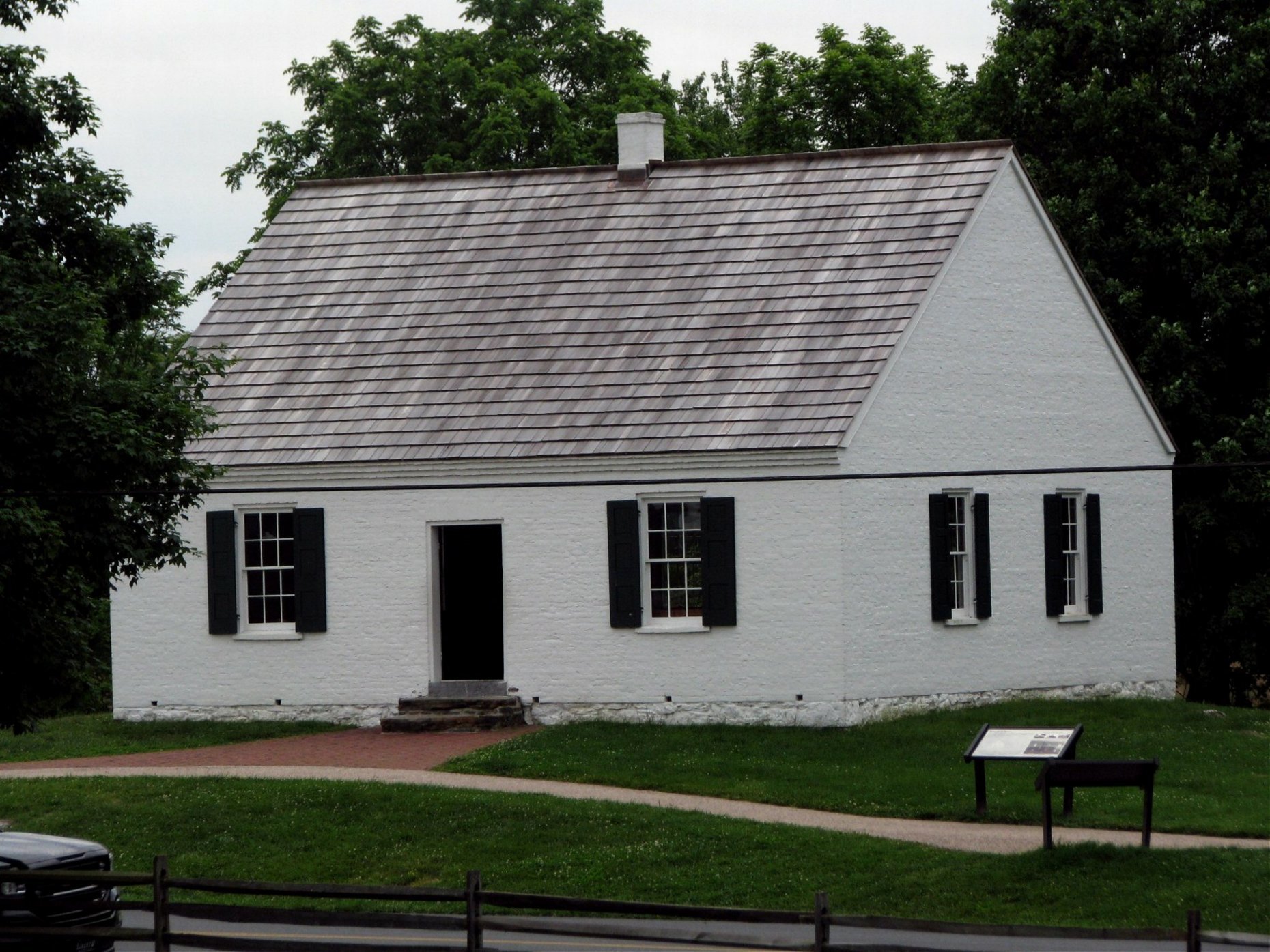
Dunkard Church, Sharpsburg, MD by weesel
Close
Hover over top left image to zoom.
Click anywhere to exit.
Members remain the original copyright holder in all their materials here at Renderosity. Use of any of their material inconsistent with the terms and conditions set forth is prohibited and is considered an infringement of the copyrights of the respective holders unless specially stated otherwise.
No AI - This artwork was created entirely by hand or with traditional digital tools.
Description
Let's get the references out of the way first: https://en.wikipedia.org/wiki/Dunkard_Brethren and https://www.wvencyclopedia.org/articles/2101 are good. I do this because some folks have to be saying "Dunkard?"
This church is a replica. The original was destroyed in a storm in the 1920's IIRC.
Dunkard Church, Burnside Bridge, and Bloody Lane are probably the three most common landmarks associated with the Battle of Antietam. The very unassuming and modest-sized church served as a hospital. and is not far from The Cornfield then and the visitors' center now.
As we get started on this tour of several Civil War battle sites, it's time to point out that general officers in those days understood the critical importance of good sanitary facilities, a source of clean water, and the importance of large areas to array the supply and artillery support trains. This is why most battles were held in national parks. (Ba-dum-bump!)
Enjoy; thanks for viewing.

Comments (5)
back then they were in national parks, but now if we did that, we'd have to file EISs and get a permit just to hold the battle, give estimates of number of people killed, wounded, missing in action and AWOL. Not to mention what type of sanitary facilities would be on hand, meal times, rest breaks and what type of restorative actions needed to bring the NP back into pre-battle condition... by the time that was all said and done, plus dealing with the court battles, everyone will have forgotten why the battle was to take place and just go home and have a drink and call it a day.... ;)
I misread the name of the church and thought that sounded like a lively congregation.
Oh yes. It makes for an interesting misreading.
Oh, so there were national parks back then which served as battle fields? My, I wonder what the generals got from the National Park Service for messing up the lawns with lead shot, cannon balls, blood and gore, and other things that result from military action. Sheesh! Can't fight a battle without being hit by the money hungry bureaucrats! Nice photo of the little reconstructed church, or should we call it a chapel? :-)
Apparently so. It's amazing what recent research by Thomas Collins and James Beam can turn up.
We drove right by this neat little and very historic church on the 2nd of May...didn't go in as it was being visited by a busload of 7th or 8th graders at the time:) Glad you have had an opportunity to revisit this battlefield after more than 30 years. Any apparent changes?
No, not really. This time we got lost in the back roads but not much has changed. The visitor center video has been updated, but that's not really an improvement... the other video was very impressive and put the whole tarnation into context. It's a very deceptive battle field. The missus commented that you "could hide a whole army out there" and that was about 500 yards away. Indeed, I believe they did that very thing over and over that day.
A quaint little church, I bet it is bigger inside than it looks.