
Renderosity Forums / MarketPlace Showcase
Welcome to the MarketPlace Showcase Forum
Forum Moderators: Staff
MarketPlace Showcase F.A.Q (Last Updated: 2026 May 31 7:17 am)

Subject: WIP: Bachem Natter piloted rocket aircraft


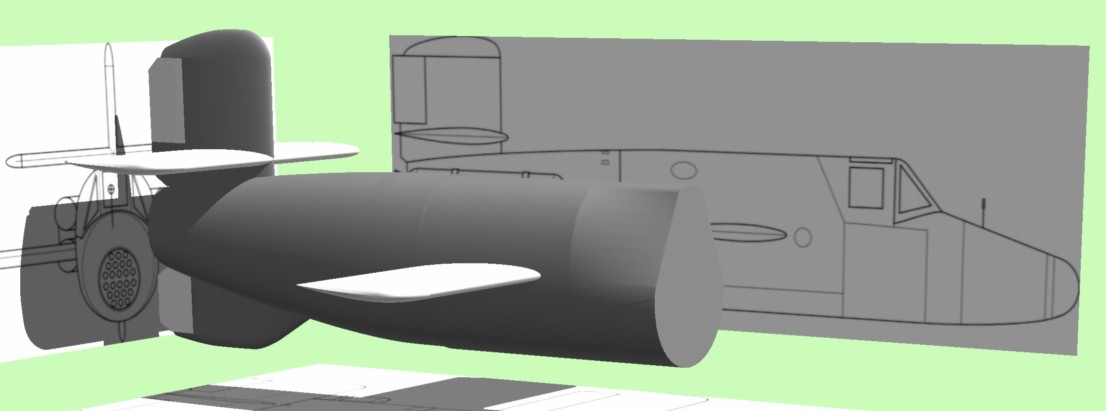
There's lots of information about this plane, much of it contradictory. Although many were captured, only one still exists and it's in poor condition. I'm basing this model on various sources but I trust David Myhra's 1999 book to be the most accurate.
My Store - My Gallery - My Freebies - My Web Site

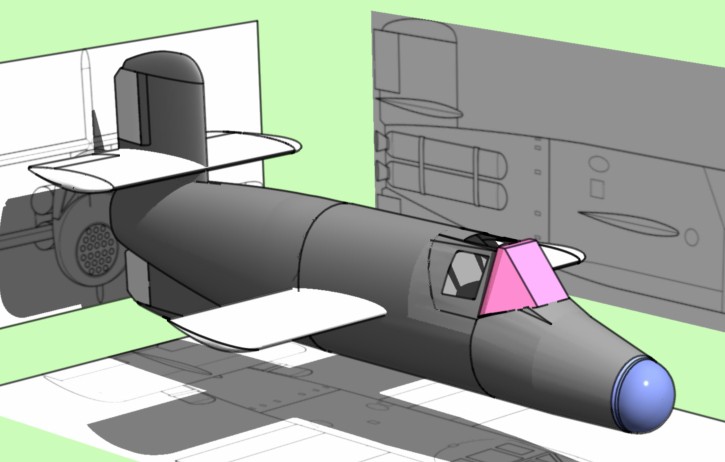
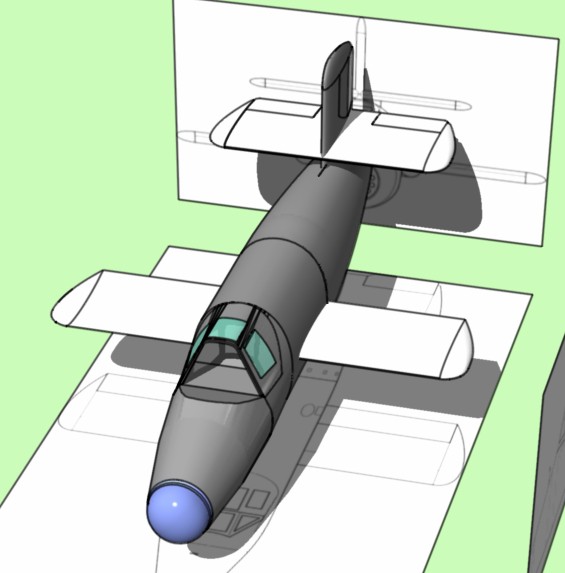
I don't know much about the Ohka, but a quick checks shows the Japanese plane was much sleeker looking. There are similarities in the mission but also great differences. The Natter wasn't a suicide plane, although the risk of the pilot not surviving was great. The pilot was killed in the first vertical launch test flight.
The Natter flight profile was to launch vertically from a secluded launch site when an Allied bomber squadron was approaching. The Natter would quickly reach the bomber altitude (25,000 feet), discard it's nose cone and fire its salvo of rockets. The Natter would then glide (more like dive) to an altitude of 9,000 feet, where the pilot would discard the aircraft's nose, deploy its parachute, and bail out with his own parachute. They would descend separately for recovery. In unpiloted tests the aircraft exploded on landing because of rocket fuel remaining in the tanks. The profile was then changed so that only the tail and rocket engine would be recovery, the fuel tank section being discarded.
My Store - My Gallery - My Freebies - My Web Site
Thanks. Yes, interesting stuff!Thought you might find this interesting https://tech.yahoo.com/transportation/articles/aircraft-shouldn-t-able-fly-053147105.html
My Store - My Gallery - My Freebies - My Web Site
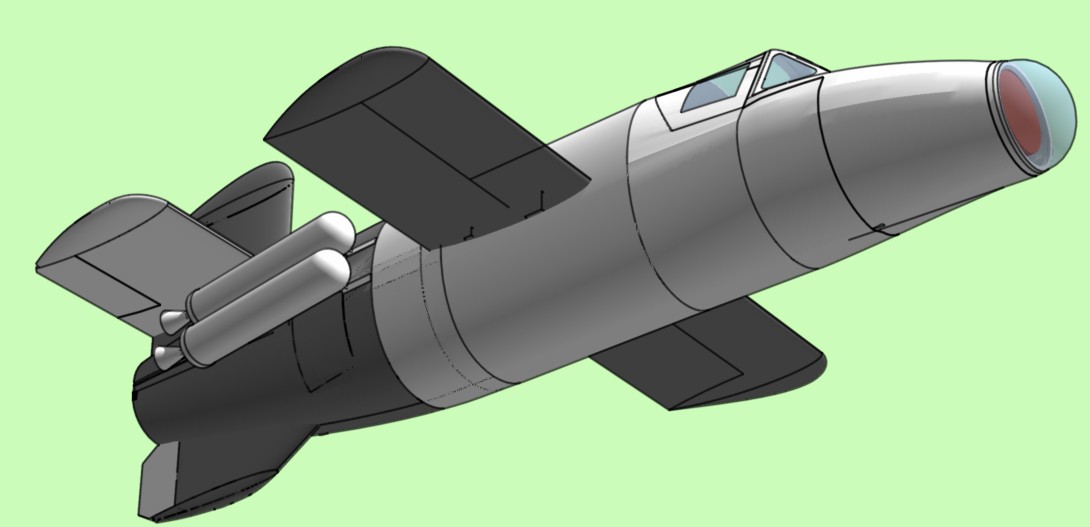
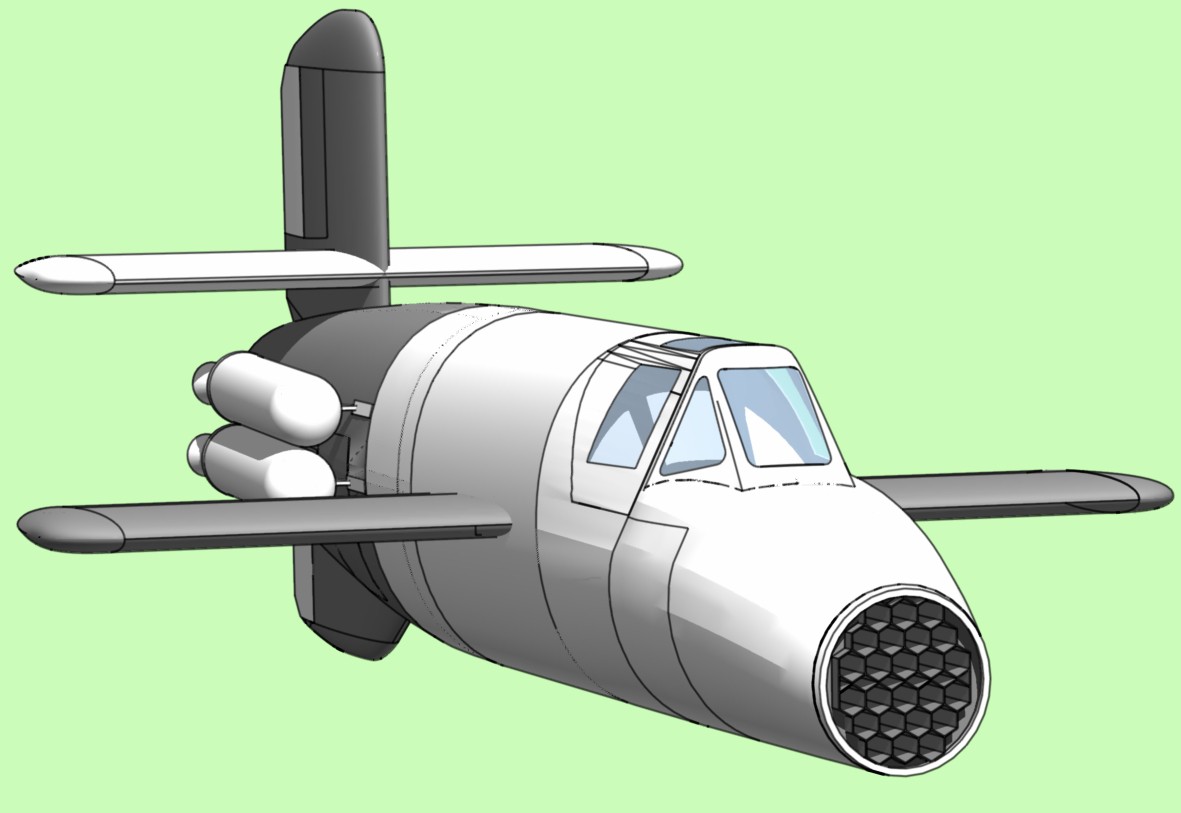
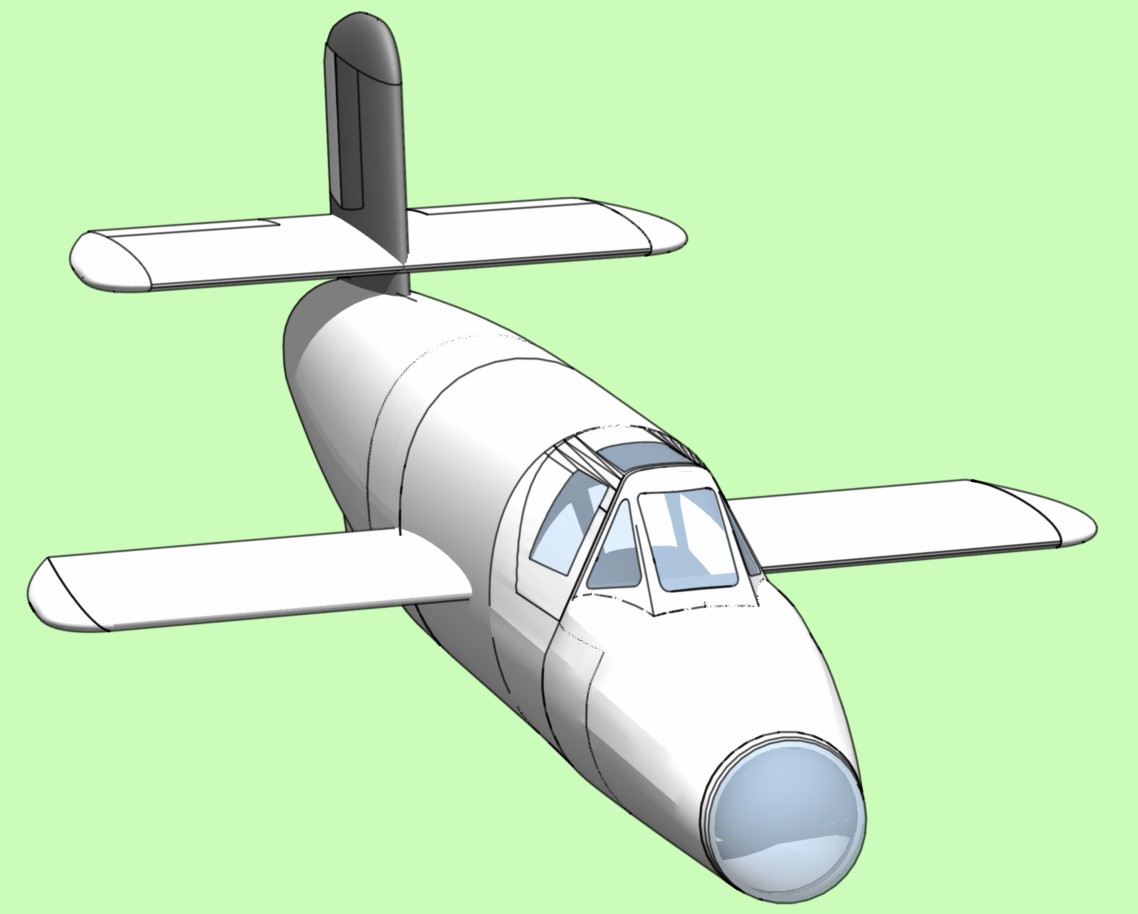
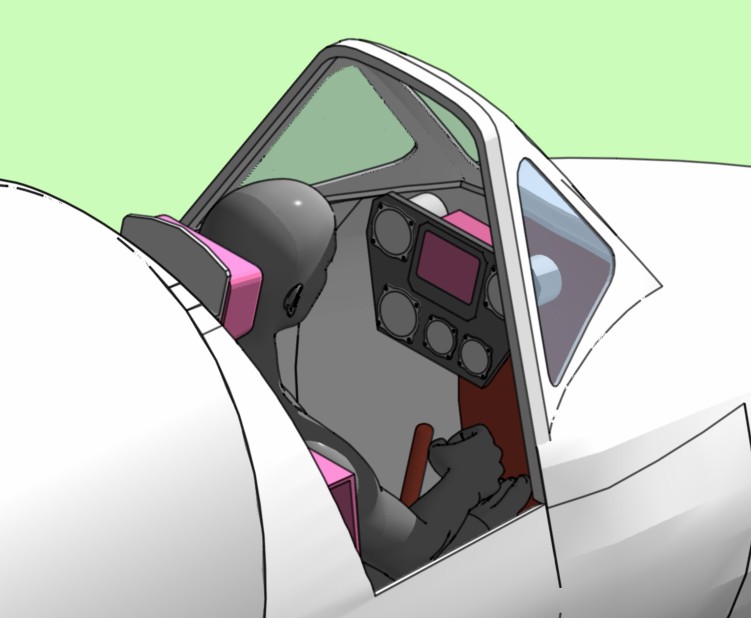
Currently working out internal details (the figure will have to split in two) and the cockpit. Cutaway drawings and plans are conflicting. Most are probably speculative or based on poorly preserved original documents.
My Store - My Gallery - My Freebies - My Web Site
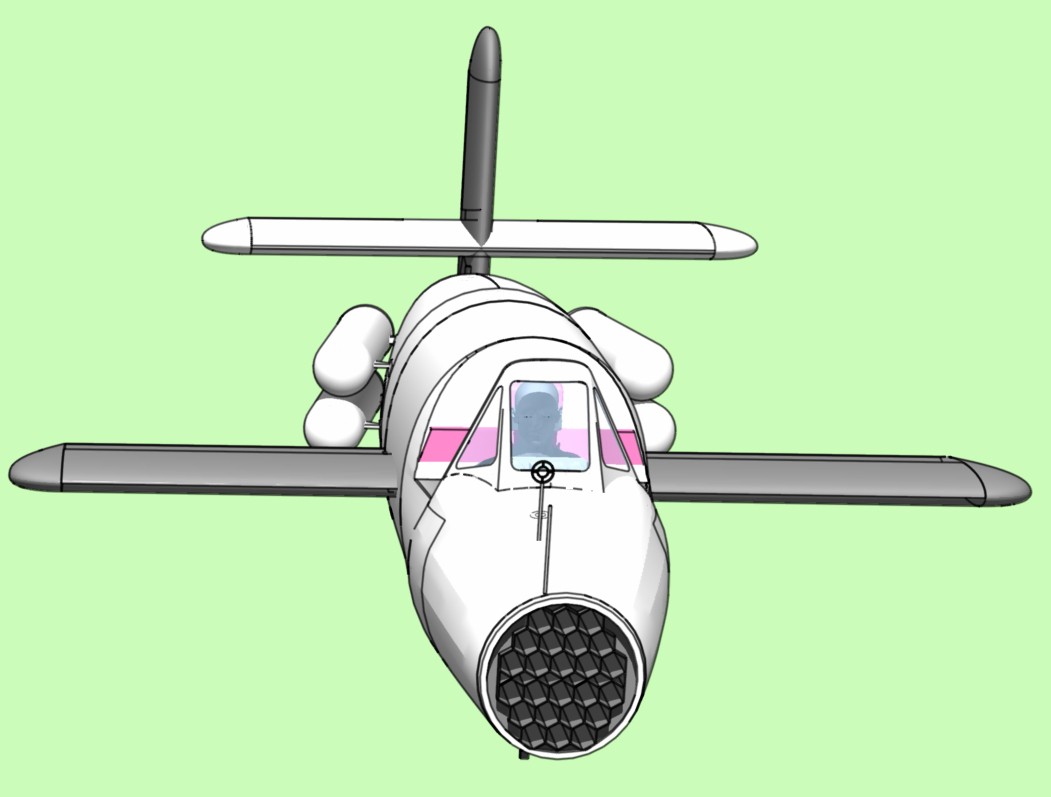
The mesh is essentially complete but needs UVs and consolidation. I've done some rough fuselage interior detailing because the aircraft splits in half.
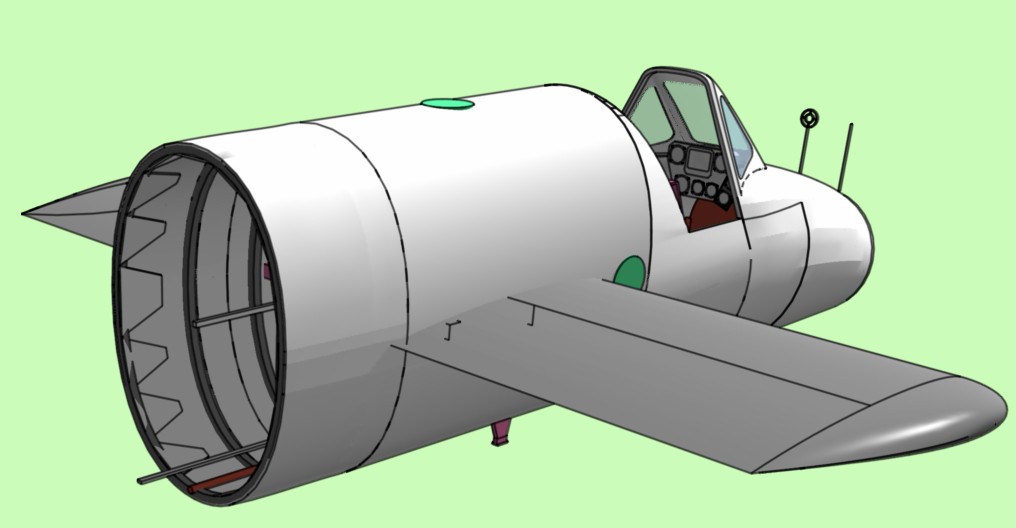
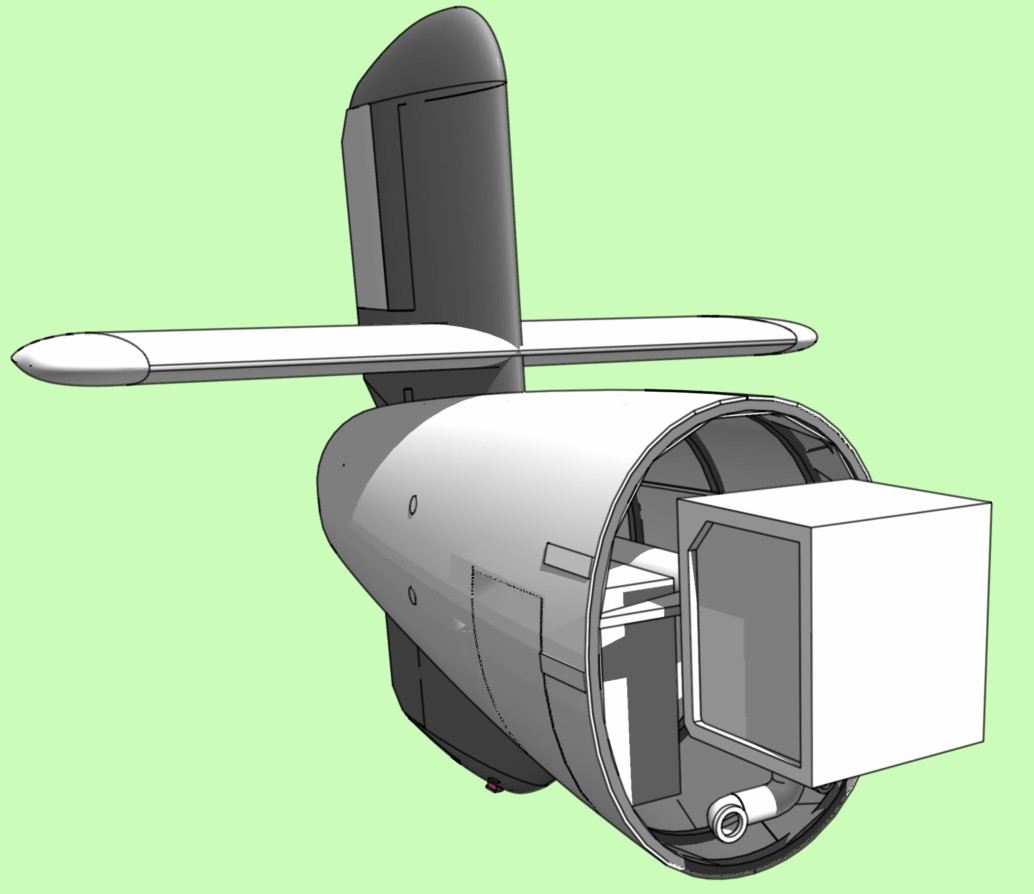
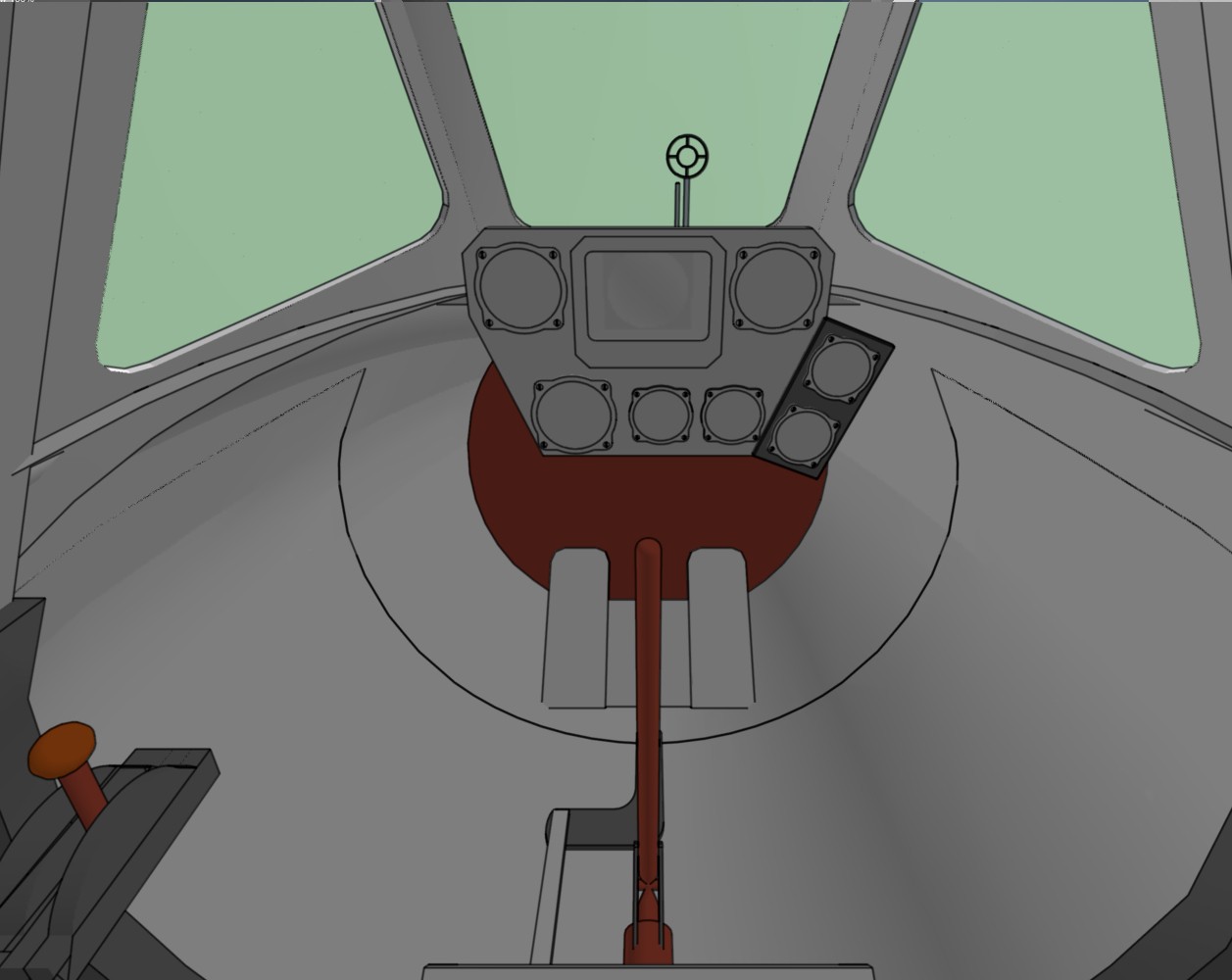
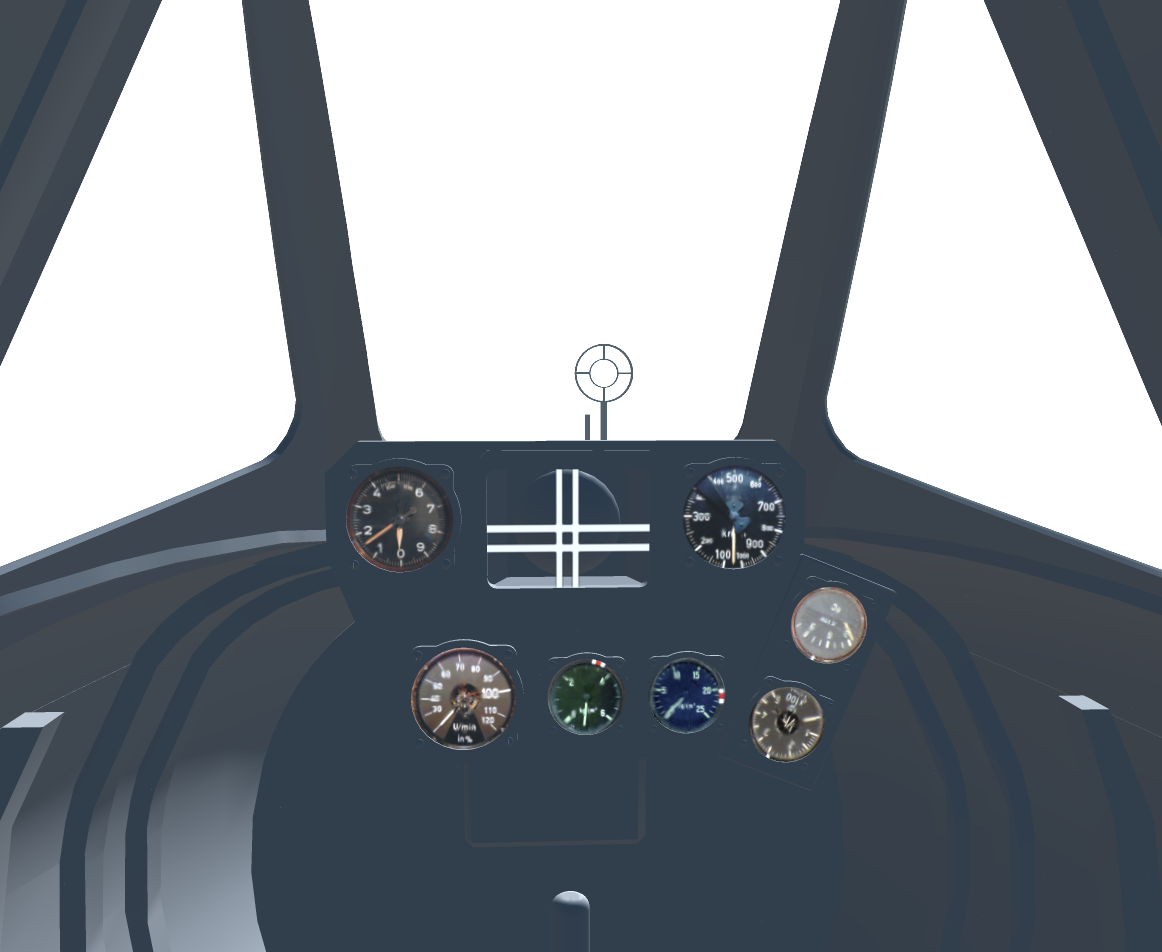
Pilot's view.
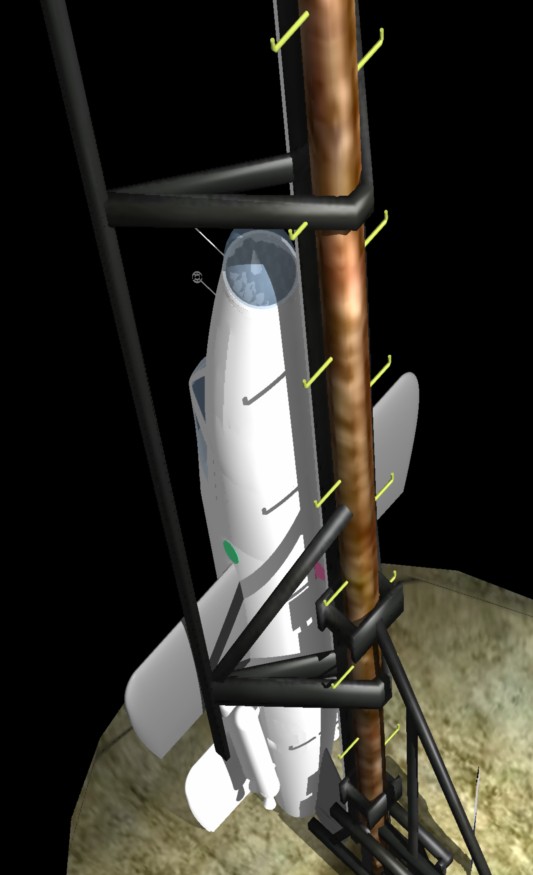
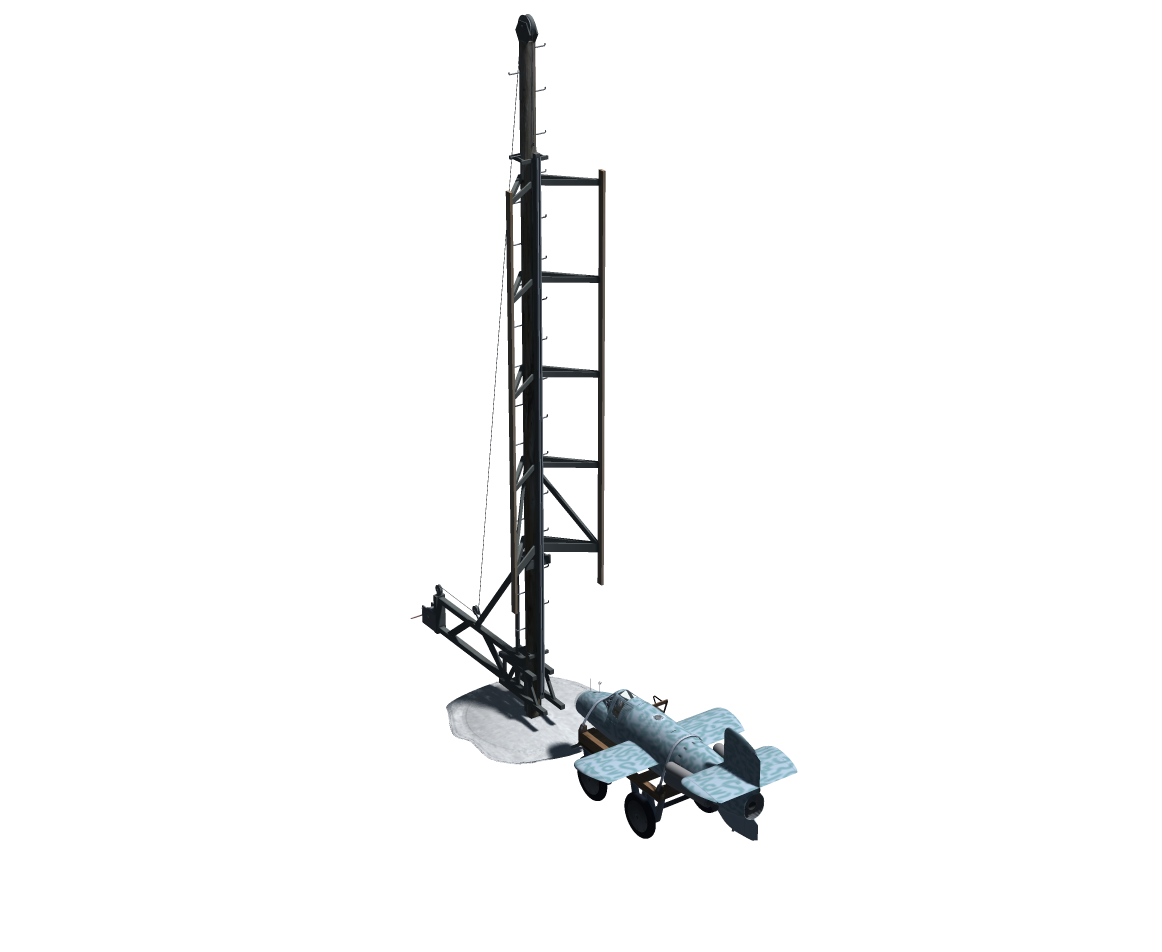
There will be a free stuff launch tower. The original was made by Götz von Berlichingen and released with a share-alike license. ["Bachem 349 Natter (low poly)" (https://skfb.ly/oKrGL) by Götz von Berlichingen is licensed under Creative Commons Attribution (http://creativecommons.org/licenses/by/4.0/).] I'm making some changes and additions to the model, which will be released about the time the Natter lands in the Marletplace.
My Store - My Gallery - My Freebies - My Web Site
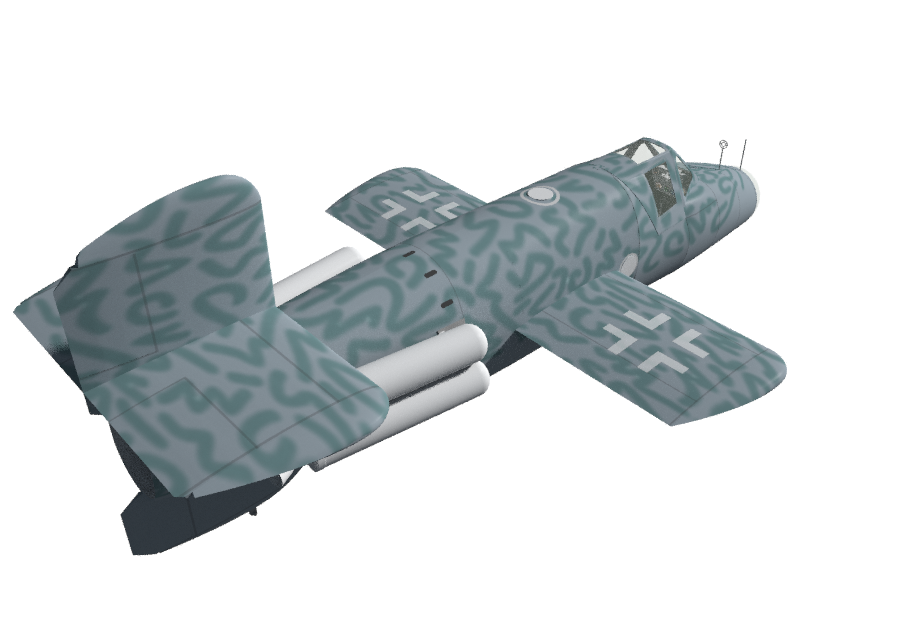
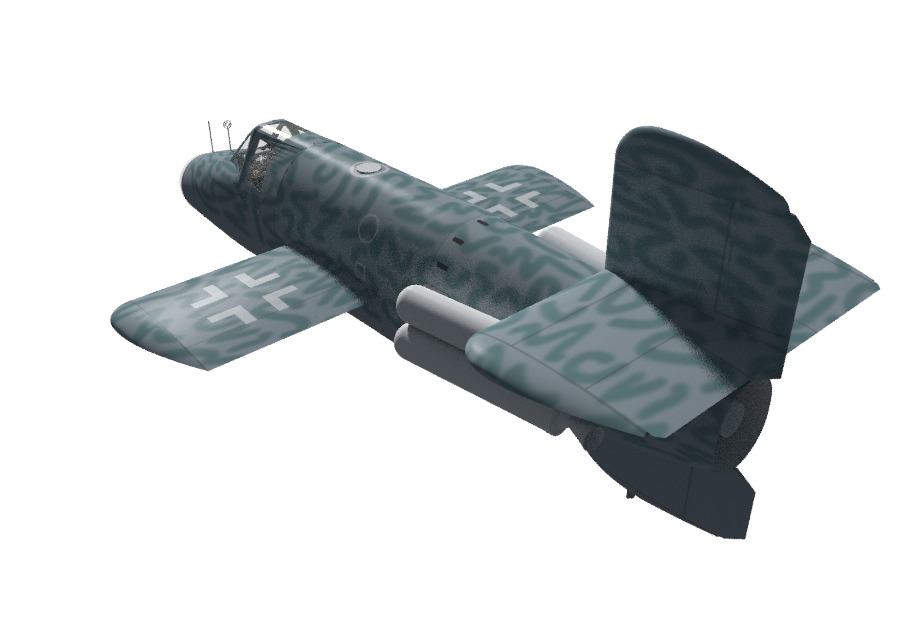
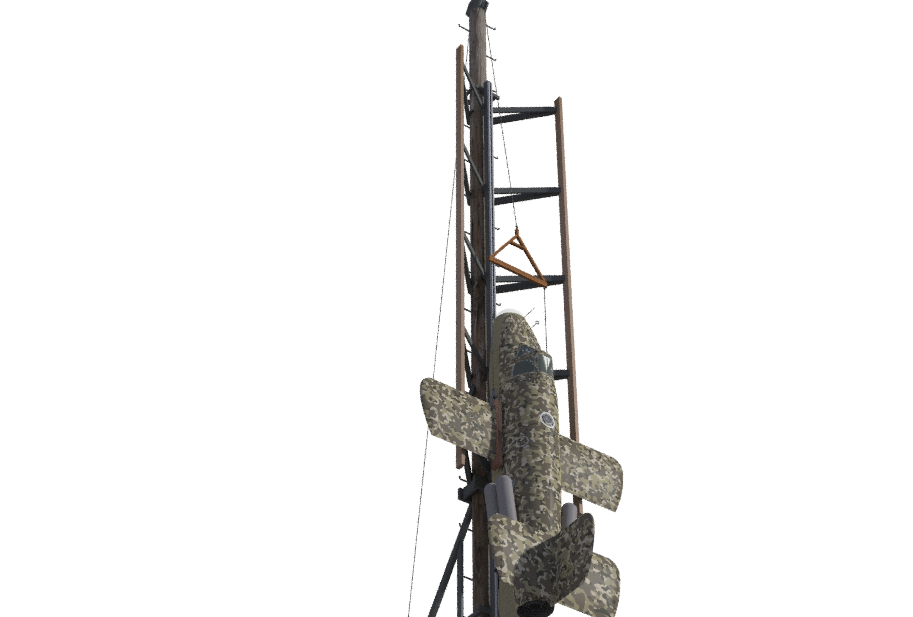
Rigging and working details. There are lots of details to work out. As I mentioned earlier, the tower will be Free Stuff. I may include the handling cart in the product.
My Store - My Gallery - My Freebies - My Web Site
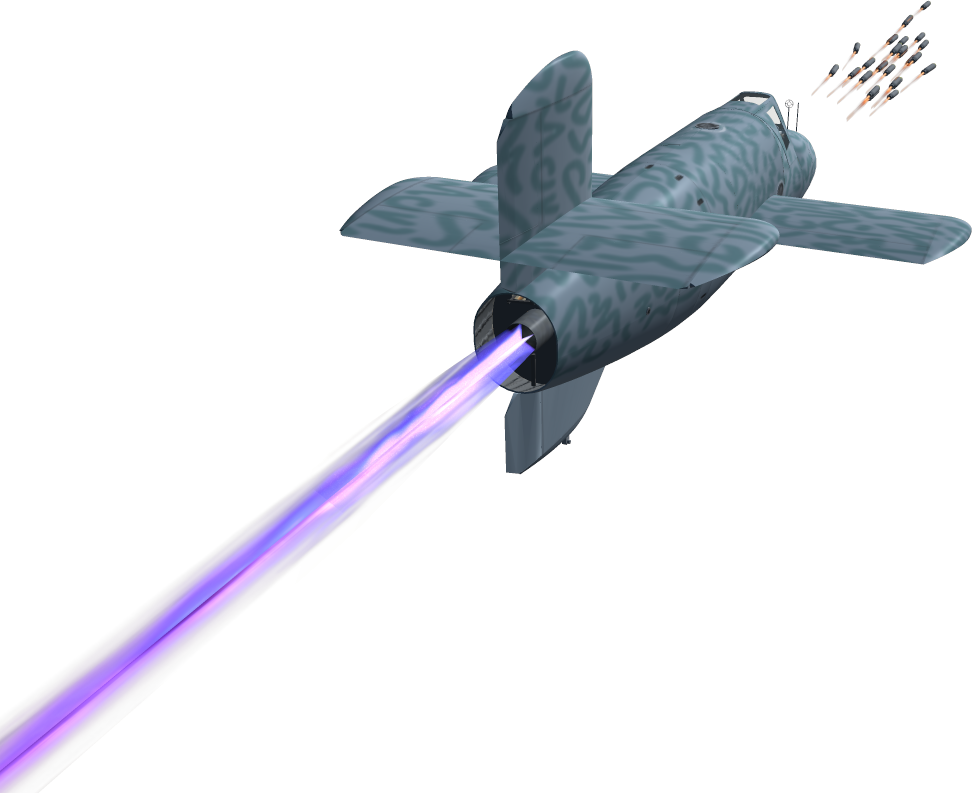
Fiddling with the rockets fired from the Natter's nose.
My Store - My Gallery - My Freebies - My Web Site
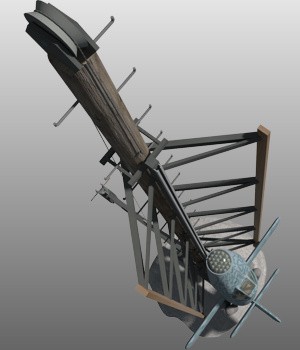
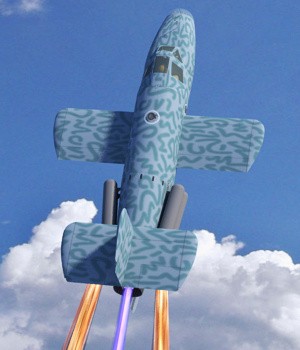
The Natter is now in the queue. Meanwhile I've uploaded the tower to Free Stuff:
https://www.renderosity.com/freestuff/items/100026/launch-tower-for-bachem-natter-rocket-plane
My Store - My Gallery - My Freebies - My Web Site

Privacy Notice
This site uses cookies to deliver the best experience. Our own cookies make user accounts and other features possible. Third-party cookies are used to display relevant ads and to analyze how Renderosity is used. By using our site, you acknowledge that you have read and understood our Terms of Service, including our Cookie Policy and our Privacy Policy.
Toward the end of WW II the Luftwaffe were trying different, often desperate, technology solutions to counter increasingly lethal Allied air superiority. One of these was the Bachem Ba 349 Natter (German for adder or viper, a venomous European snake), a piloted point-defense rocket, vertically launched to intercept bombers overhead. Although a number of Natters were built, and various test flights were completed, the interceptor never became operational.
My Store - My Gallery - My Freebies - My Web Site