
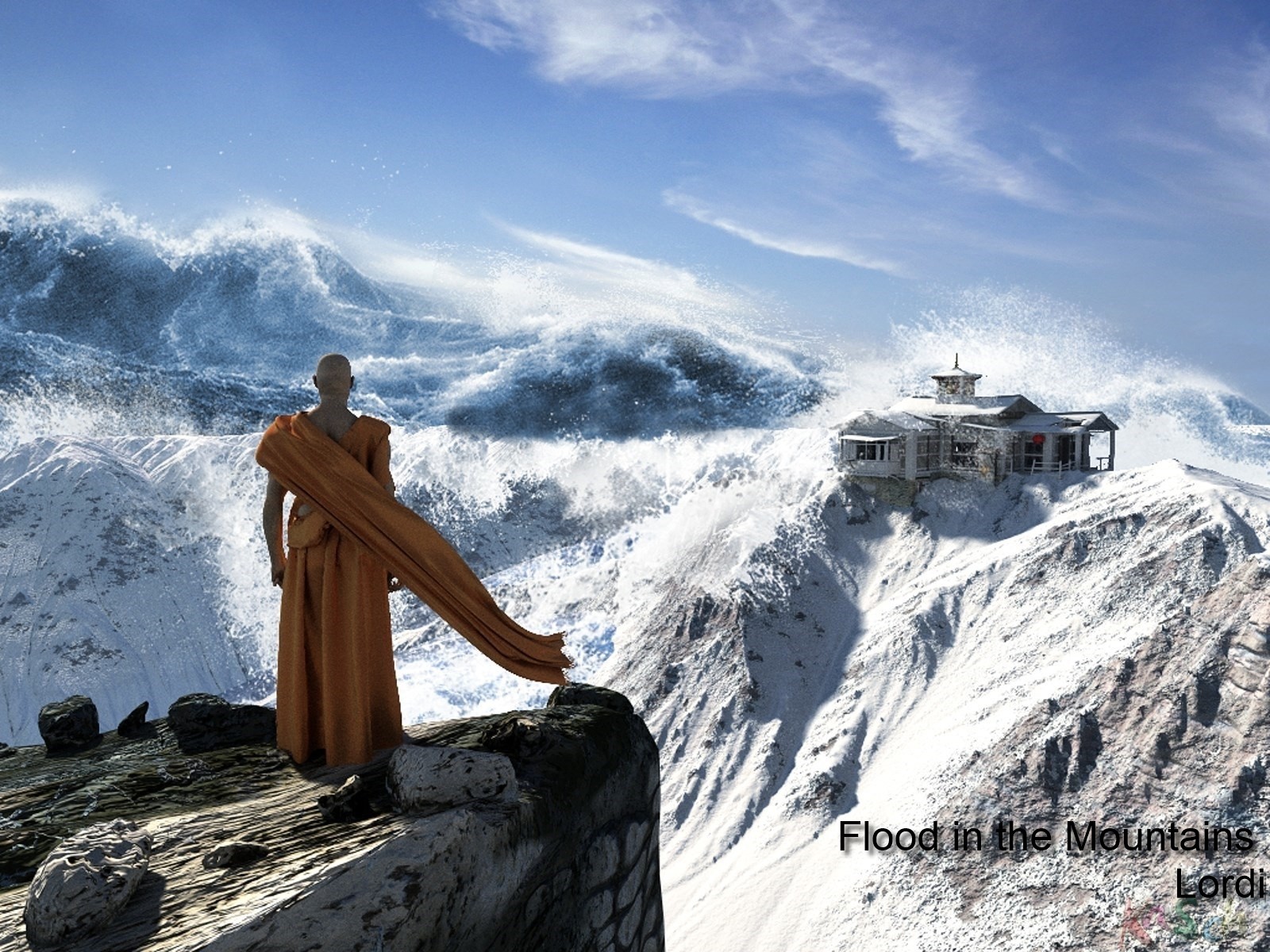
This month’s Artist of the Month winner is Lordi, known also as Karsten, born in Berlin, Germany where he still lives today.
Like many of us, he took his first steps with a computer on a Commodor 64 playing games, and learning a little BASIC programming along the way.
“I was fascinated early on by the works of Luis Royo and Boris Vallejo. I initially tried drawing by hand, although I had only limited talent for it. Later, when I discovered that it was possible to create amazing images digitally, it felt like a gift to me,” he said.
He works now in a craft-related field but finds that he enjoys creating images and texts which are like “a little vacation in my own world, where I can relax and recharge.”
Lordi was kind enough to take some time sharing with us a little about his development as a digital artist.
Q&A
How long have you been creating art of any kind, and when/ how did you move into digital art?
Since my drawing talent was never enough to create truly good images, I started expressing my ideas in small stories back in school. Nearly 30 years ago, I discovered Terragen, and I was immediately thrilled. Later, I found Bryce, which I still love to this day. I have been working with Bryce for over 20 years. Over time, I also started using programs like Poser and DAZ, and of course, Photoshop.
What was the process moving from first feeling for the tools and software to creating images you were pleased with and wanted to share with others?
It was a very uneven process. My first images with an old version of Terragen seemed amazing to me at the time, but looking back now, I can see they were quite clumsy. The same goes for Bryce. My first images were really bad—rough terrains on water with terrible skies. It took a long time before I was able to create images I was even somewhat satisfied with and that I actually wanted to share with others.
How would you describe your style? Would you say you have a common theme throughout your work?
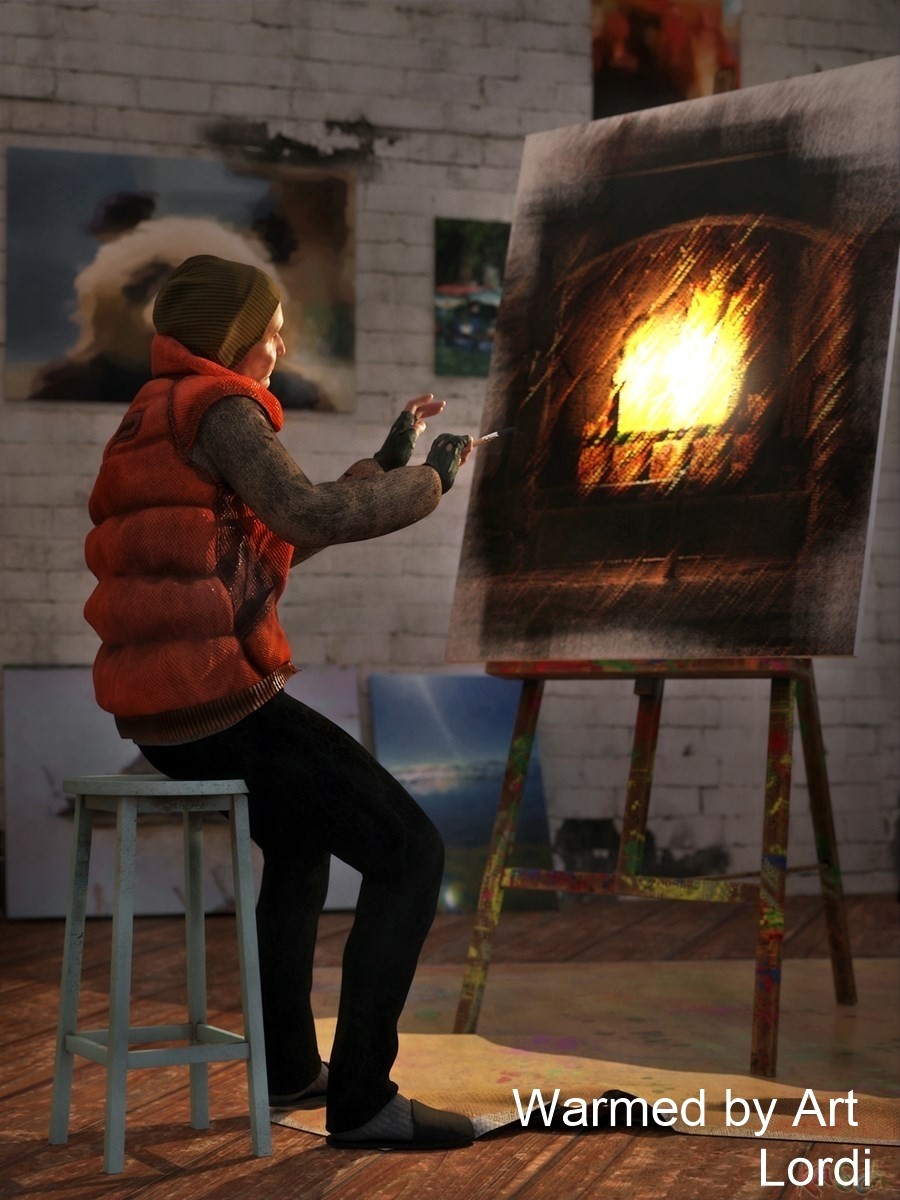
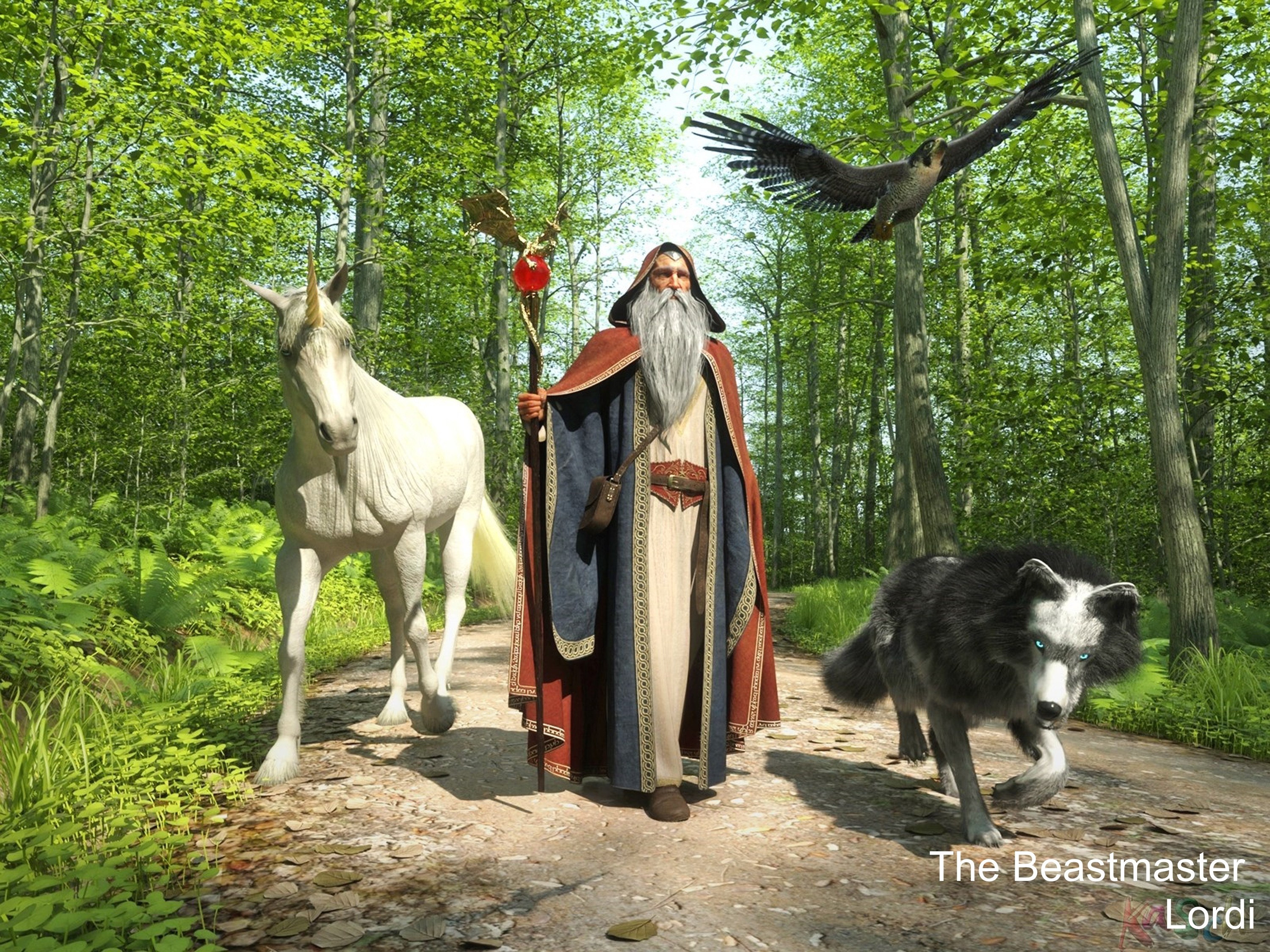
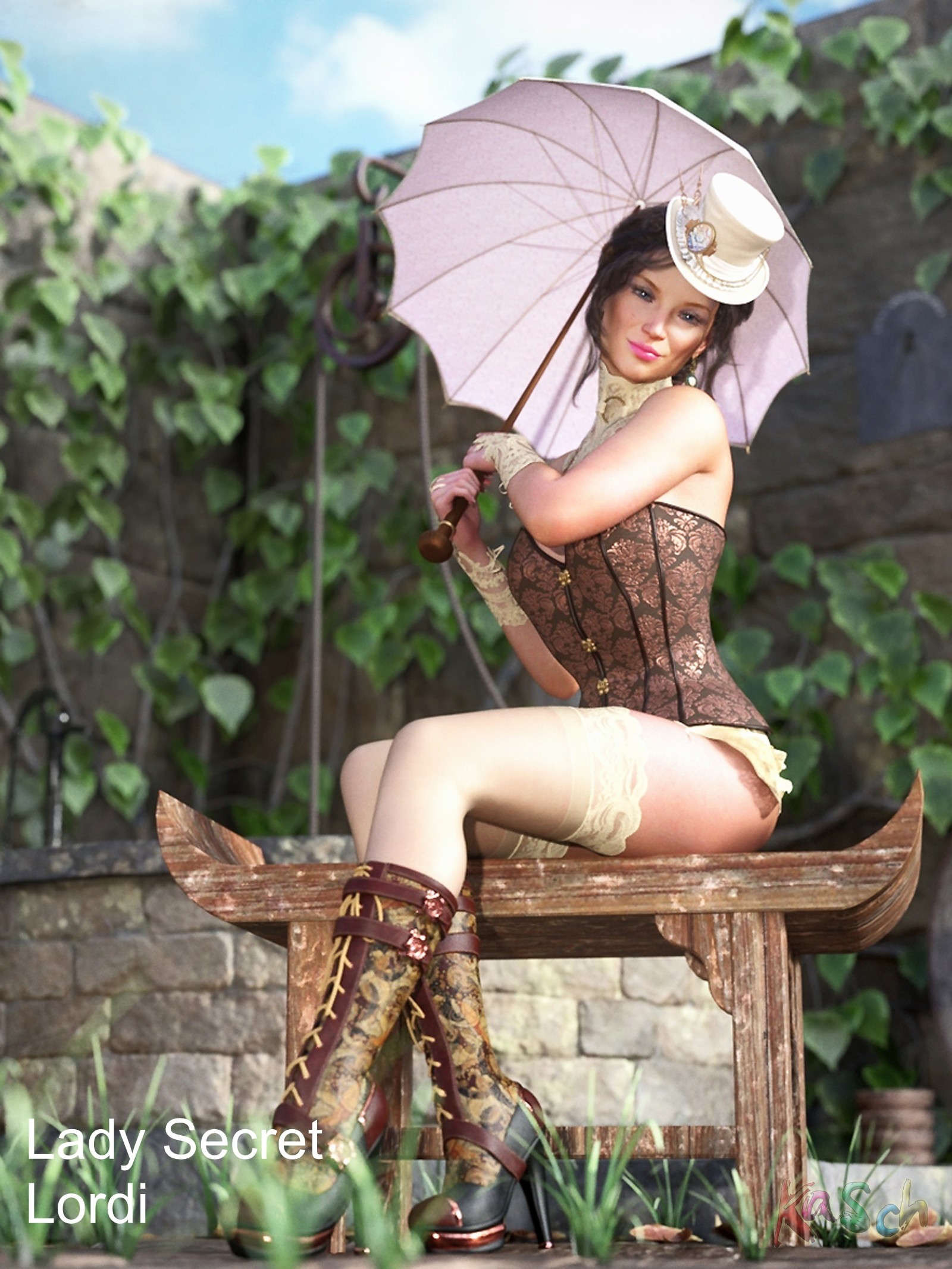
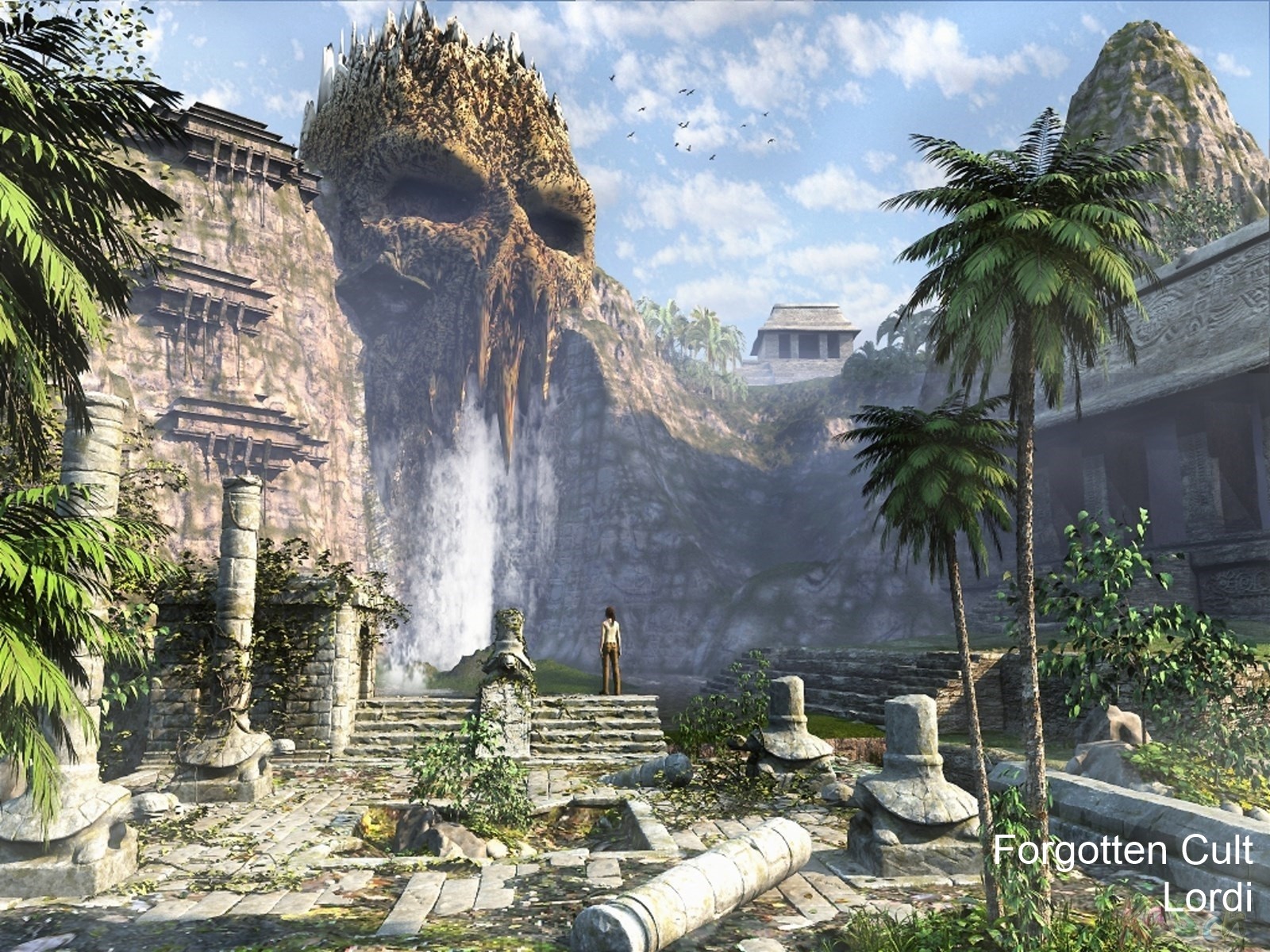
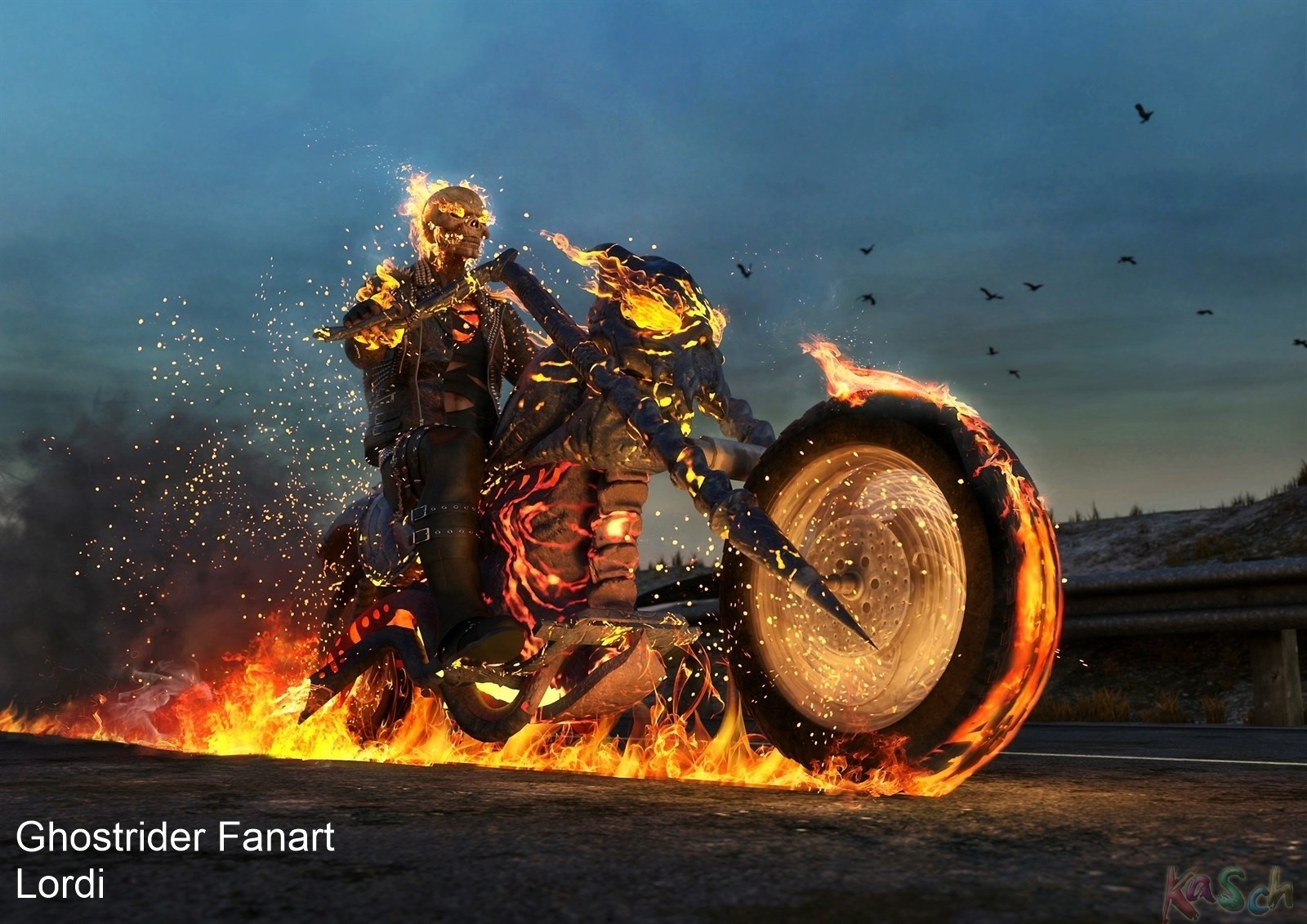
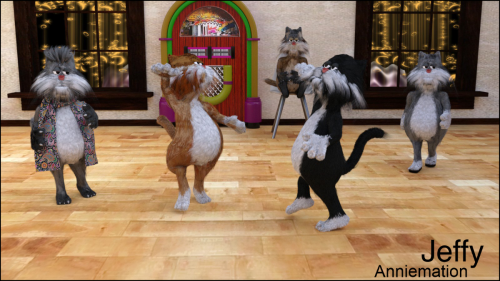
I never really stick to a single theme for long. The ideas in my head often jump from one area to another, which gives my work a fairly diverse range. My images include everything from horror, science fiction, landscapes, and fantasy, to humor and even steampunk.
Where do you find your inspiration?
Inspiration can come from anything—a book, song lyrics, or an everyday situation. Often, it’s movies that inspire me to create similar scenes myself.
What is or are your favorite programs to use now and why?
Currently, I prefer using DAZ and Bryce, often in combination with Photoshop. DAZ is simply a program that offers many possibilities and allows you to achieve good results relatively quickly. Bryce, on the other hand, usually requires more effort, but the challenge lies in testing and perhaps pushing the program's limits. The images created with it have a special touch that is very characteristic of Bryce.
How has your work changed over time? Where do you think it’s headed?
That’s a good question. I hope that my work has steadily improved over the years, but I can’t say exactly where it’s headed. Ideas come and go, and I can’t really predict how I will bring my inspirations to life in the future. I do hope that my work continues to improve over time, even though I will probably never reach the level of my original inspirations, like Royo or Vallejo.
What are your favorite subjects? What do you really get immersed in?
It always depends on my mood. I enjoy creating landscapes, often of otherworldly places. In recent years, I’ve developed a particular fondness for steampunk themes.
With the arrival of AI in digital art, what are your thoughts on its use?
AI is, for me, a fun pastime. I mostly use it just for amusement, because –this might make some people dislike me – AI is not my art. For me, art and the artist involve a certain level of craftsmanship and an eye for detail. AI just requires a series of words and then produces interpretations. They can look great, but for me, it’s more of a toy.
If you could have dinner with any artist, living or dead, who would it be and why?
If I could choose anyone, it would probably be Leonardo da Vinci. A mind that engages with both art and science must be an exciting conversational partner.
Have you had any kind of life experience that drives your focus in your artwork?
Not really. I love escaping everyday life and playing out “what if?” scenarios in my mind, then bringing them out somehow—either in words or images.
Is or are there other artists that influence you, or do you have a mentor that has helped at any point?
At the beginning, as I mentioned, the great fantasy and sci-fi artists inspired me. Fortunately, I had several mentors. One of my first was my first Bryce teacher, who went by the name Starsoul online. But there were many others who taught me how to use the programs. I even once offered a Bryce course in German with others, where I wanted to show interested people the way through my tutorials. Unfortunately, interest eventually faded, and there were no more students who wanted to learn.
What ideas do you have for future projects?
Ideas are fleeting. They come and go, and I’m grateful when they pause in my mind long enough for me to use them.
What tips do you have for those who are just getting started in 3D artwork?
The most important tip would be to never give up and always keep learning. Everything else will follow naturally.
If there’s anything else you’d like to communicate as an artist for the article, please do so.
Let your ideas and imagination come to life and share them with others. There is nothing more beautiful than that.
Thank you all so much for this wonderful opportunity. I am truly honored to be chosen as Artist of the Month, and I appreciate all the support and encouragement from the Renderosity community. It means a lot to me.

Comments