

















Crawdads and Fireflies by Ken _Gilliland
Close
Hover over top left image to zoom.
Click anywhere to exit.
Members remain the original copyright holder in all their materials here at Renderosity. Use of any of their material inconsistent with the terms and conditions set forth is prohibited and is considered an infringement of the copyrights of the respective holders unless specially stated otherwise.
No AI - This artwork was created entirely by hand or with traditional digital tools.
Description
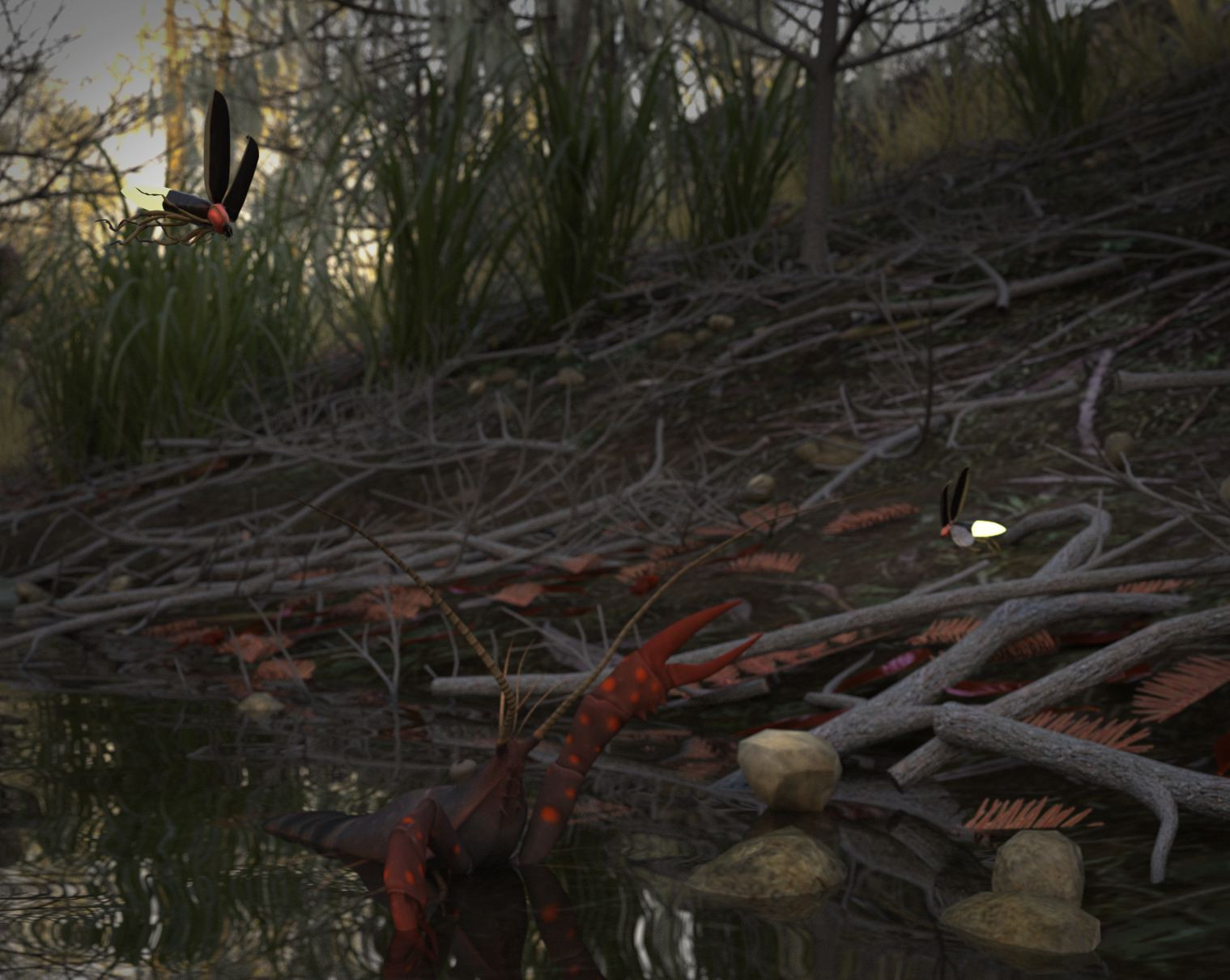
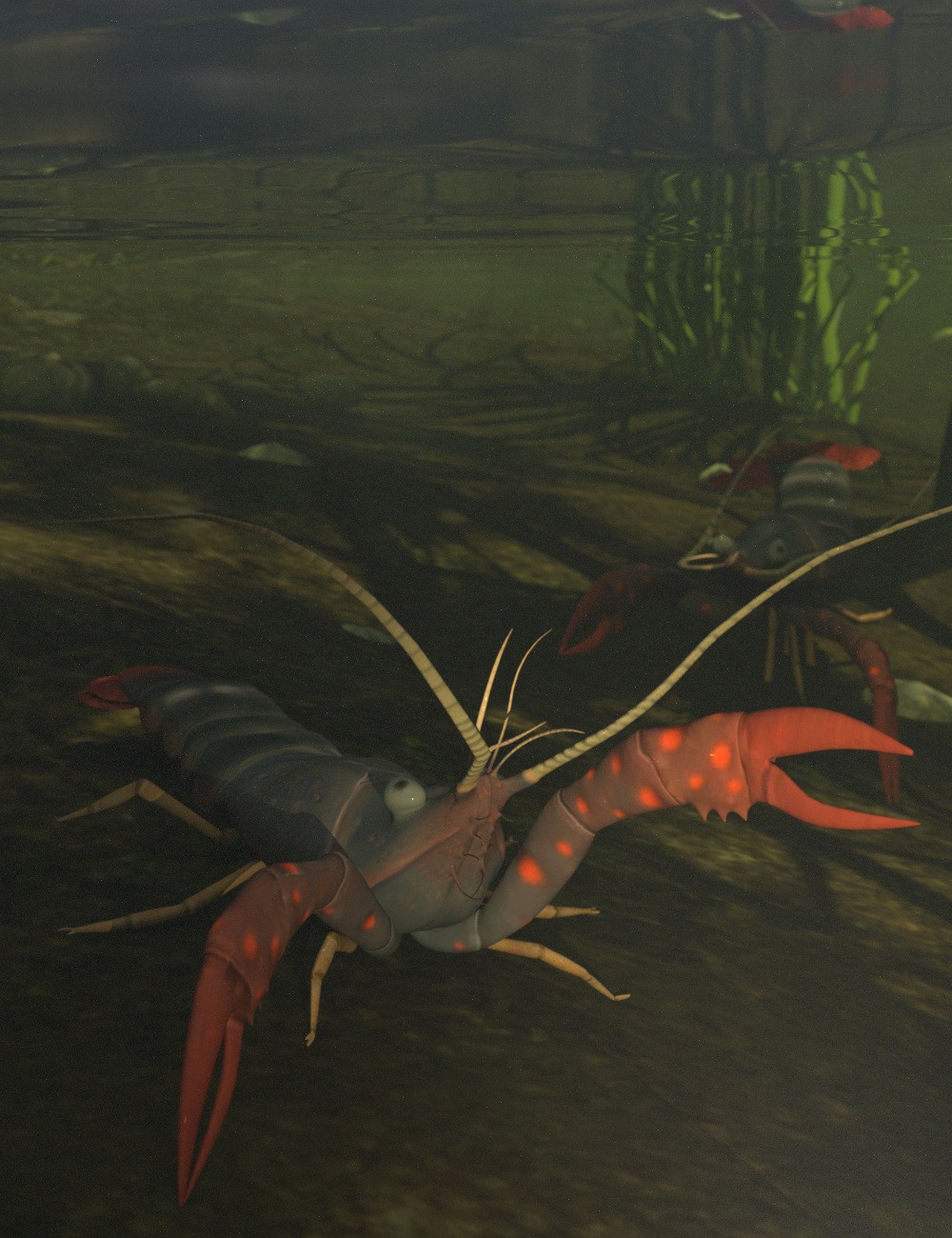
Here's a peek at my companion set to my SBRM Rails, Nature's Wonders Crayfish. In that NW's tradition, I found that my digital Rails were going to be hungry, so why not create one of their favorite foods (crawdads). The base set will include the Red Swamp Crayfish (aka the Louisana Crayfish or Mudbug), some pet trade breeds and poses. I also put my fire flies (lightning bugs) from NW Beetles v2 to help round out the image.
The Red Swamp Crayfish is native to the slow-flowing freshwaters of northern Mexico and far southeastern New Mexico, through the Gulf States to the Florida Panhandle, as well as inland north through the Mississippi Basin to southern Illinois. It has also been introduced, sometimes deliberately, outside its natural range to countries in Asia, Africa, Europe and elsewhere in the Americas. In Europe, it has been considered an invasive alien species since 2016 and cannot be imported, bred, transported, commercialized, or intentionally released into the environment in the whole of the European Union. In Holland, the species threatens the survival of rare dragonflies. Native birds enjoy it as a food source. The authorities are running a campaign to exterminate the crayfish from Dutch waters using traps that make it easy prey for the birds.
This species will grow up to 10-12 cm (4-5 inches) and is typically dark red, with long claws and head, small or no spines on the sides of its carapace just below the head, and rows of bright red bumps on the front and side of the first leg. Males have bigger claws than females. It has been bred in the pet trade with color morphs such as orange, yellow, white, light blue and multi-colored.
In the wild, this crayfish can survive in extreme seasons. For example, it can also tolerate dry spells of water for up to 4 months.


Comments (0)
No comments yet
Sign In or Register to share your thoughts.