

















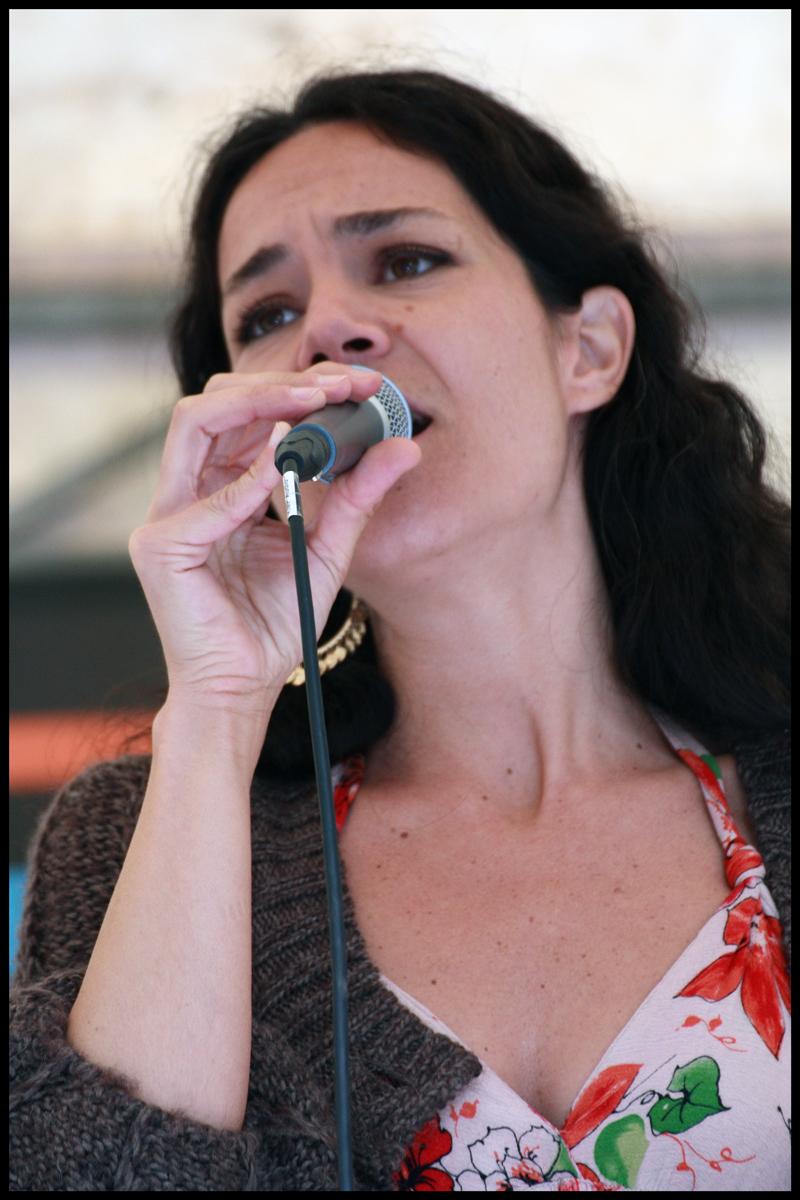
Fulvia by iaacf
Close
Hover over top left image to zoom.
Click anywhere to exit.
Members remain the original copyright holder in all their materials here at Renderosity. Use of any of their material inconsistent with the terms and conditions set forth is prohibited and is considered an infringement of the copyrights of the respective holders unless specially stated otherwise.
No AI - This artwork was created entirely by hand or with traditional digital tools.
Description
Choro (Portuguese pronunciation: [ˈʃoɾu], "cry" or "lament"), traditionally called chorinho ("little cry" or "little lament"), is a Brazilian popular music instrumental style. Its origins are in 19th century Rio de Janeiro. In spite of the name, the style often has a fast and happy rhythm, characterized by virtuosity and improvisation. Choro is considered the first urban popular music typical of Brazil.
Choro instruments
Originally choro was played by a trio of flute, guitar and cavaquinho (a small chordophone with four strings). Other instruments commonly played in choro are the mandolin, clarinet, saxophone, trumpet and trombone. These melody instruments are backed by a rhythm section composed of guitar, 7-string guitar (playing bass lines) and light percussion, such as a pandeiro. The cavaquinho appears sometimes as a melody instrument, other times as part of the rhythm.
Compositional structure
Structurally, a choro composition usually has three parts, played in a rondo form: AABBACCA, with each section typically in a different key. There are a variety of choros in both major and minor keys.
History
Much of the success of this style of music came from the early days of radio, when bands performed live on the air. By the 1960s it had evolved into urban samba. However, in the late 1970s there was a successful effort to revitalize the genre, through TV-sponsored nation-wide festivals in 1977 and 1978, which attracted a new, younger generation of musicians. Thanks in great part to these efforts, choro music remains strong in Brazil. More recently, choro has attracted the attention of musicians in the United States, such as Mike Marshall and Maurita Murphy Mead, who have brought this kind of music to a new audience. Most Brazilian classical composers recognize the sophistication of choro and its major importance in Brazilian instrumental music. Radamés Gnattali said it was the most sophisticated instrumental popular music in the world. Heitor Villa-Lobos defined choro as the true incarnation of Brazilian soul. Notably, both composers had some of their music inspired by choro, bringing it to the classical tradition.
According to Aquiles Rique Reis (a Brazilian singer), ”Choro is classical music played with bare feet and callus on the hands”

Comments (4)
Nice image, thanks for the info, I can see the emotion and intensity in her face.
belle photo!!
fantastic shot!! great info!!
Stunning capture my friend.