














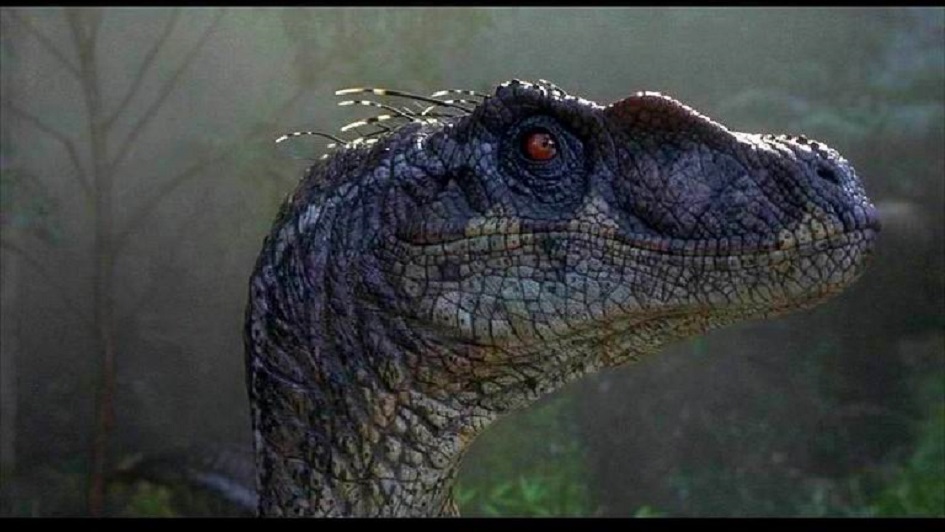
Achillobator - A powerful predators dinosaur in th by dinosaurpictures
Close
Hover over top left image to zoom.
Click anywhere to exit.
Members remain the original copyright holder in all their materials here at Renderosity. Use of any of their material inconsistent with the terms and conditions set forth is prohibited and is considered an infringement of the copyrights of the respective holders unless specially stated otherwise.
No AI - This artwork was created entirely by hand or with traditional digital tools.
Description
Achillobator belonged to the genus of dromaeosaurid theropod dinosaur, Achillobator dwelt in the Central Asian plains (currently Mongolia) during the Late Cretaceous period, which was around 98 to 83 million years ago.
The name Achillobator is actually a combination of two words Achilles and Bator. Achilles was a famous warrior/hero in the Greek mythology where as a Bator is a Mongolian word that means hero.
It is a gigantic dinosaur as it weighs 500 to 1000 pounds and could grow up to 20 feet tall.
Achillobator is a hardcore carnivorous predator that is always on a hunt to find its prey. Owing to its sickle-shaped claw one cannot mistake it to be a calm herbivorous creature.
One of the most life-threatening and deadly weapons is the claw that is shaped like a sickle to hack its prey. This claw is found on the second toe of its limb.
It was known to be one of the ground-dwelling predators who actively ran and walked on its two feet.
The robust feet and enlarged hips of Achillobator make for powerful digging tools, while the short but powerful arms are ready to catch and grapple with escaping animals.
Achillobator has a distinguished feature that makes it stand apart. The unique hip alignment of the Achillobator has led many scientists to believe that it was a completely new form of dinosaur.
It is considered to be one of the forefathers of the modern birds, this is because, like many raptors from the Cretaceous period, the Achillobator is also often demonstrated with a feather coat.

Comments (6)
looks a mean chap ... Splendid image and textures!
You make great images and the info about the Dinos also very cool to learn. Thanks
Makes me think of the Utah raptor/Spielberg raptor. I'd like to see the teeth. I have a sneaky suspicion these raptors could be insectivores with the central claw for digging through decomposing tree trunks in order to get at the insects hiding inside. Has anyone found feathers on these? If not, maybe they were furry, or had sparse hair like an elephant or rhinoceros. I really like the portrait of this fellow! Keep up the good work! :-)
Very nice, crisp image. Thanks for the info too. - bob