















The art of camp by costapanos
Close
Hover over top left image to zoom.
Click anywhere to exit.
Members remain the original copyright holder in all their materials here at Renderosity. Use of any of their material inconsistent with the terms and conditions set forth is prohibited and is considered an infringement of the copyrights of the respective holders unless specially stated otherwise.
No AI - This artwork was created entirely by hand or with traditional digital tools.
Description
I see an upcoming nudity tag in my gallery as I am coming up on 1500 images and closing out an age and hopefully something more enlightening. I have been blessed to be able to live and survive in the beautiful city I call home. To live among such a diverse people who pretty much are in harmony within one another. Even if you have opposing views.
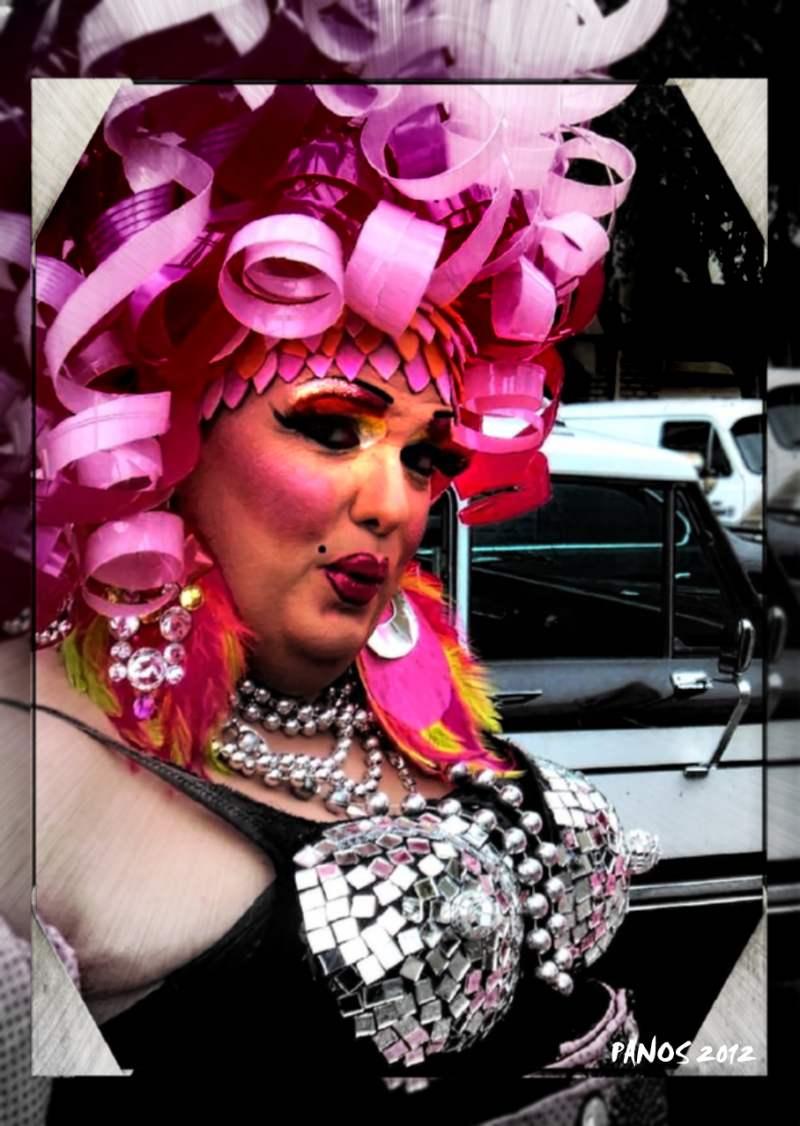
Taken at Pride this year. Just a little postwork and framing. The art of camp is alive and well.
Camp is an aesthetic sensibility that regards something as appealing or humorous because of its ridiculousness to the viewer. The concept is related to kitsch, and things with camp appeal may also be described as being "cheesy". When the usage appeared, in 1909, it denoted: ostentatious, exaggerated, affected, theatrical, and effeminate behavior, and, by the middle of the 1970s, the definition comprised: banality, artifice, mediocrity, and ostentation so extreme as to have perversely sophisticated appeal. American writer Susan Sontag's essay Notes on "Camp" (1964) emphasized its key elements as: artifice, frivolity, naive middle-class pretentiousness, and �shocking� excess. Camp as an aesthetic has been popular from the 1960s to the present.
Camp aesthetics were popularised by filmmakers George and Mike Kuchar, Andy Warhol, and John Waters, including the latter's Pink Flamingos, Hairspray and Polyester. Celebrities that are associated with camp personas include drag queens and performers such as Dame Edna Everage, Divine, RuPaul, and Liberace. Camp was a part of the anti-academic defense of popular culture in the 1960s and gained popularity in the 1980s with the widespread adoption of postmodern views on art and culture.
The rise of post-modernism made 'camp' a common perspective on aesthetics, which was not identified with any specific group. The attitude originally was a distinctive factor in pre-Stonewall gay male communities, where it was the dominant cultural pattern. It originated from the acceptance of gayness as effeminacy.[4] Two key components of camp were originally feminine performances: swish and drag. With swish featuring extensive use of superlatives, and drag being exaggerated female impersonation, camp became extended to all things "over the top", including female female impersonators, as in the exaggerated Hollywood version of Carmen Miranda. It was this version of the concept that was adopted by literary and art critics and became a part of the conceptual array of 1960s culture. Moe Meyer still defines camp as "queer parody"

Comments (5)
I'm assuming "queer" was used in the context of "odd" or "unusual" since otherwise it would adhere this campiness to only one gender culture and I have seen it plenty on a daily basis on the downtown streets here with female walkers and slightly confused alcoholic males. :-) Love the boldness you captured. Reminds me of a very dear friend who passed some time ago. He was so much like person - enjoyed life and the outrageousness of it..
What fascinating read that was! Amazing!
A most interesting read indeed! I like the decor in your image and seems like a lot of fun to have been a part of! Cute expression as well! Thank you for sharing, my Friend!
a strong character and an unconventional composition
Loooove IT!!! ;D