Scraven by olegTOB
Software:
UNITY
Departments:
Available Uses:
AI Use:
No Data
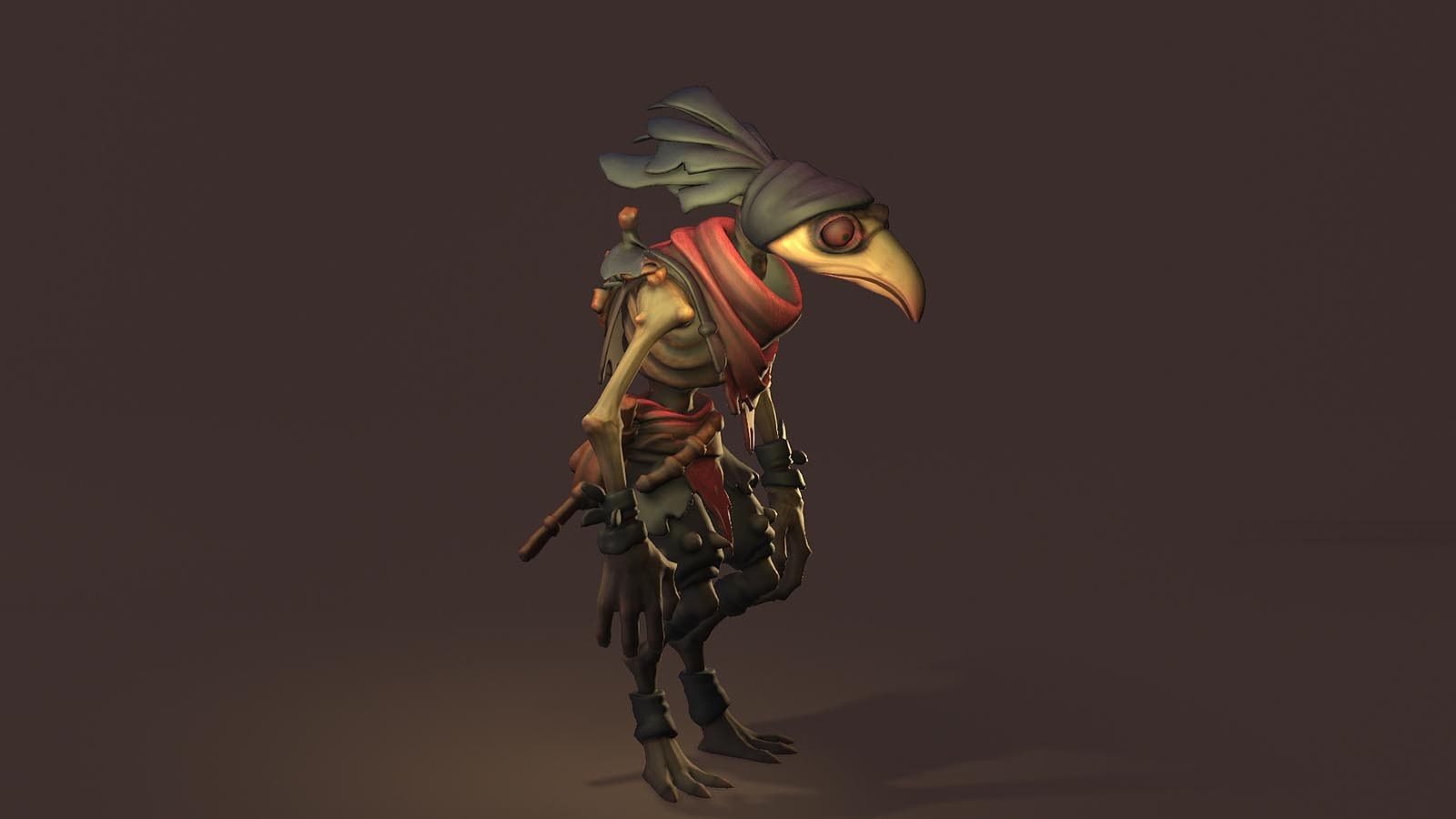
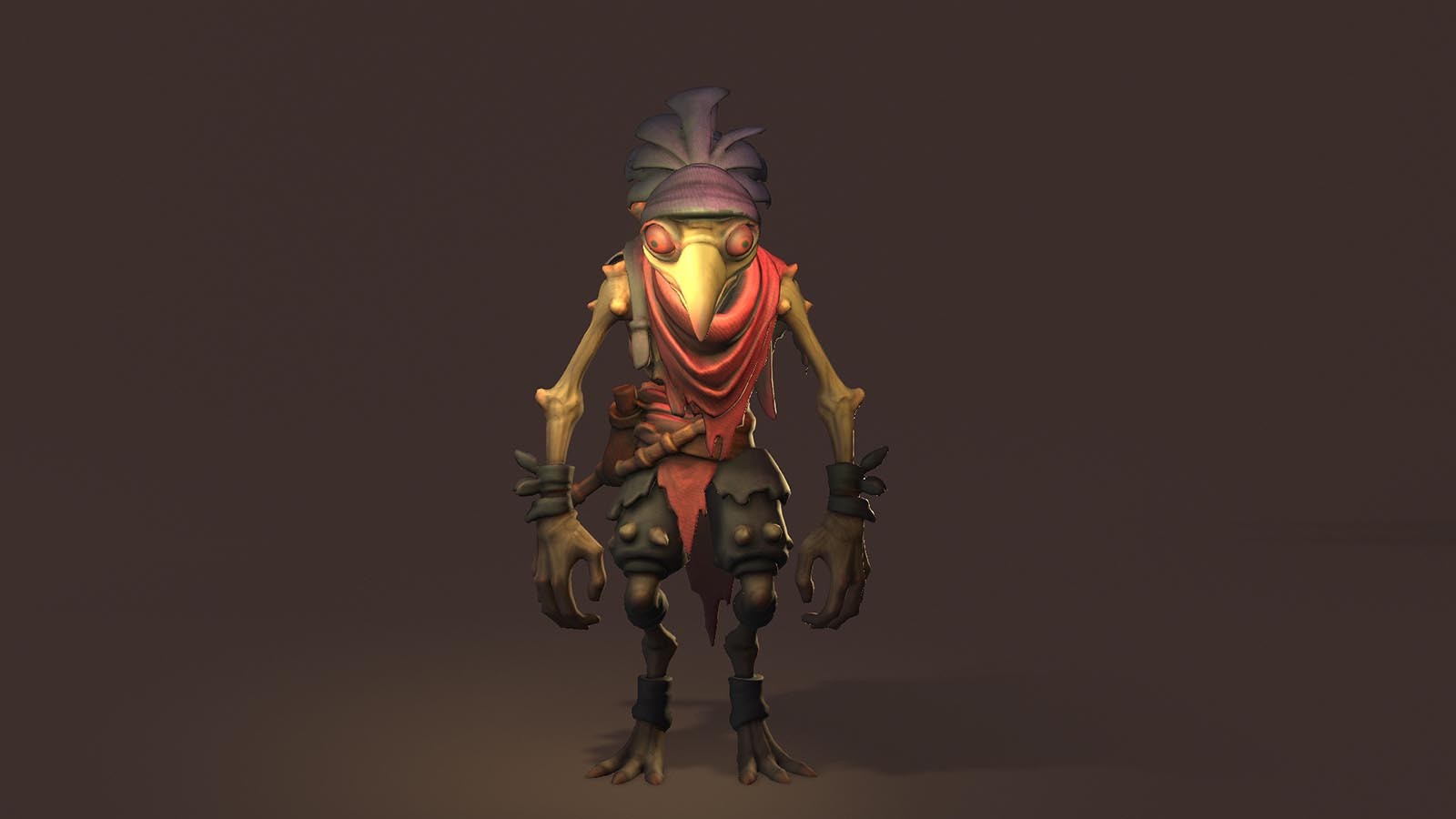
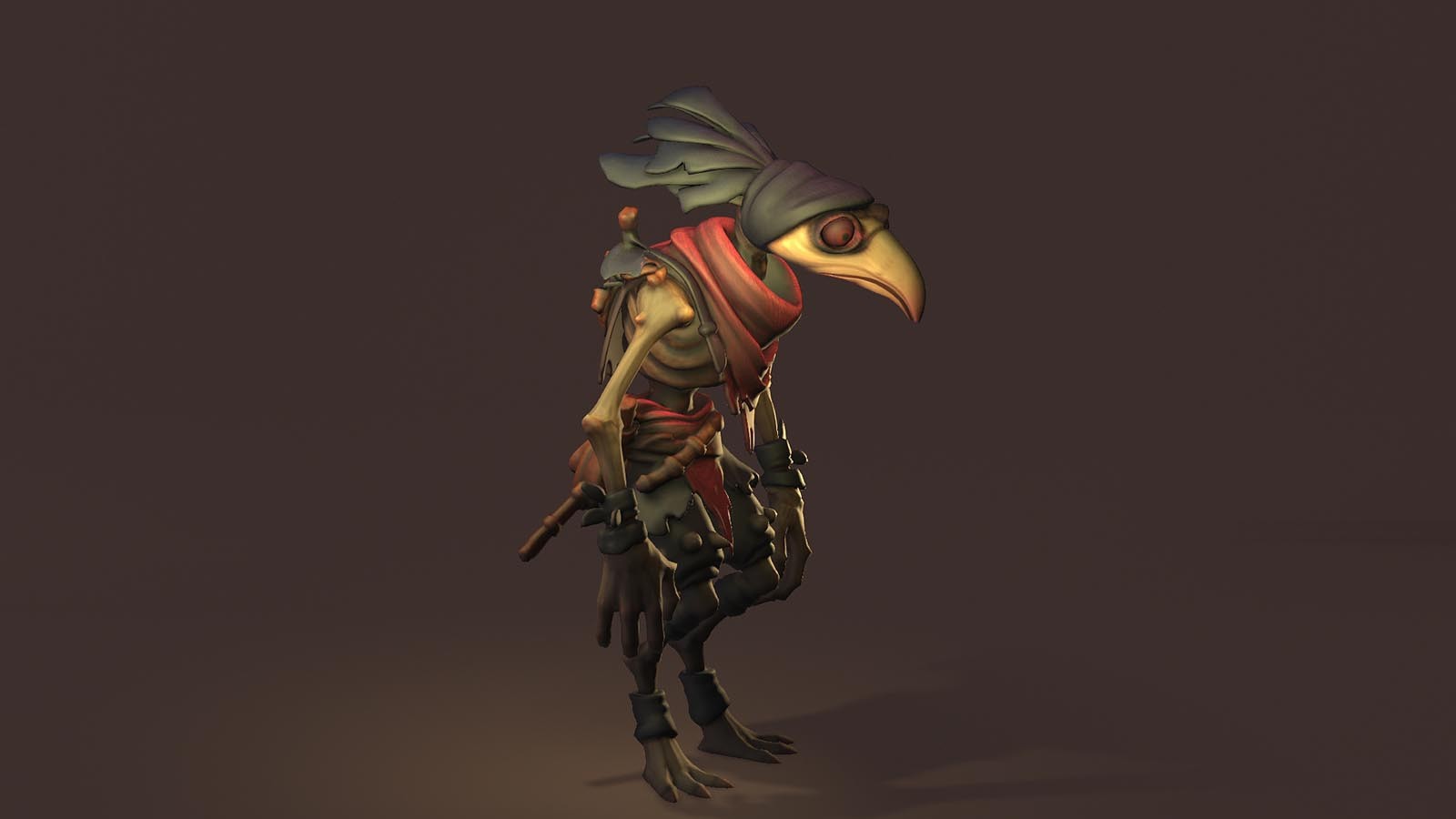
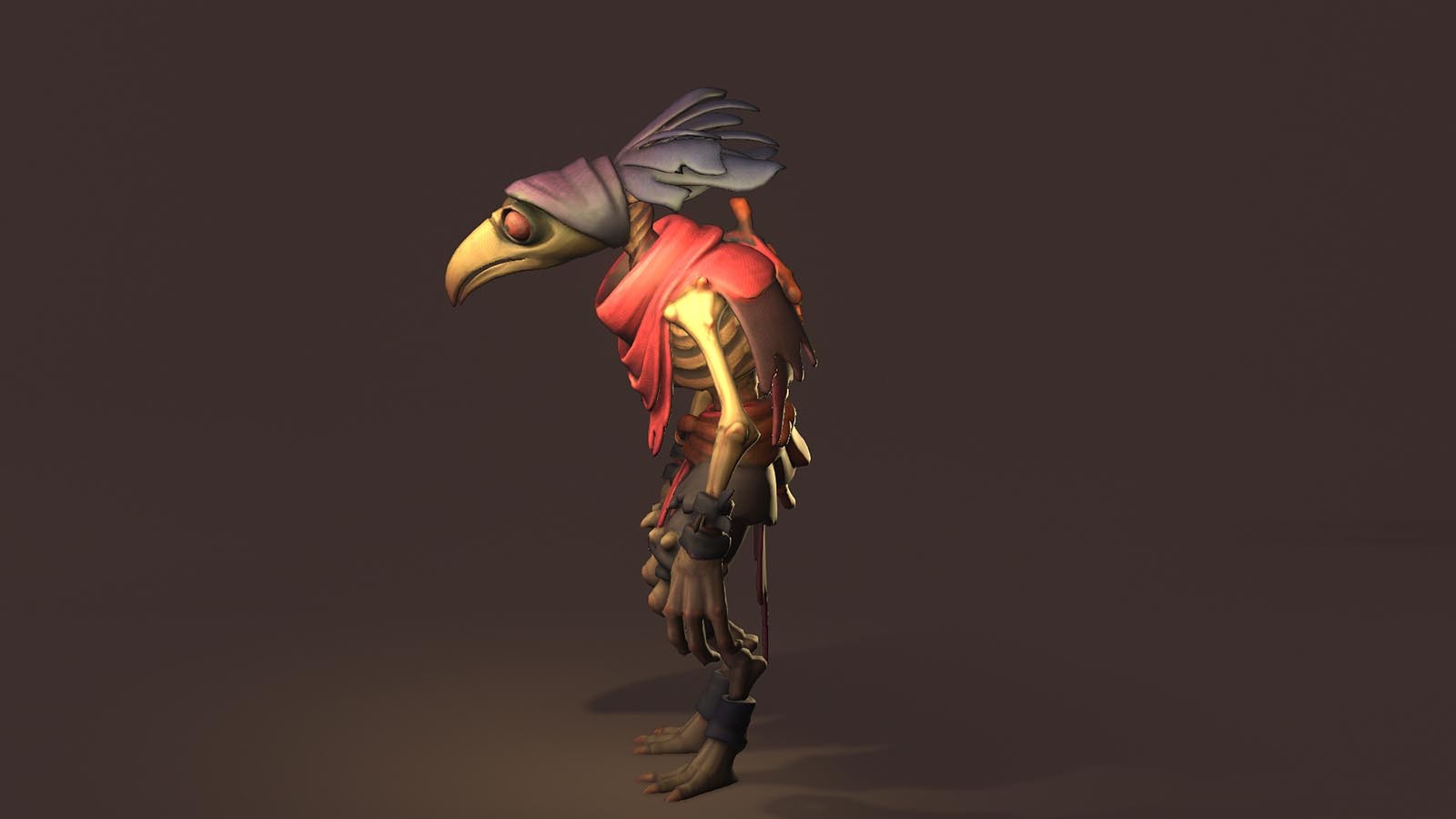
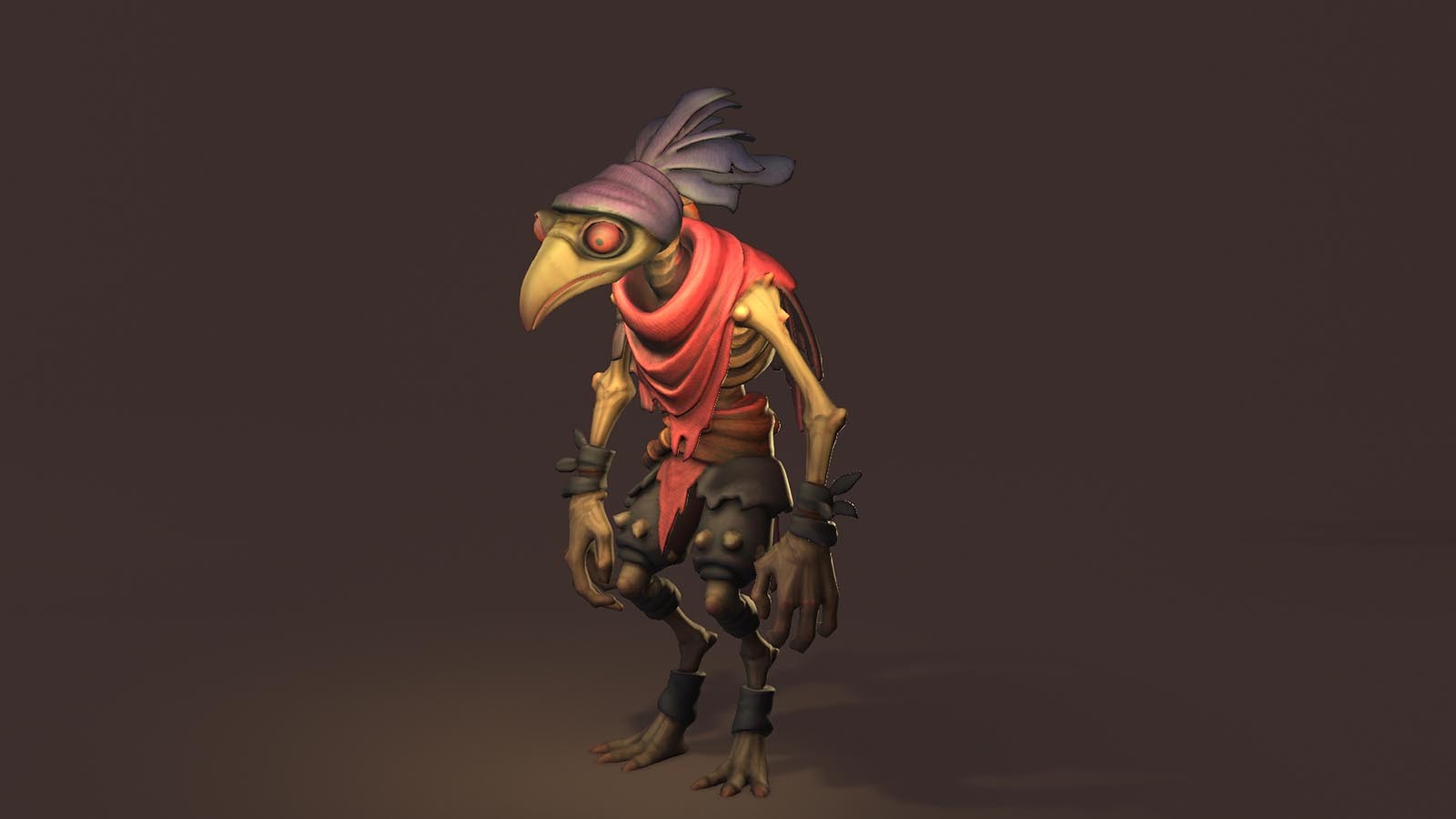
Scraven walks with the stiff, uneven movement of something that should not still be alive. His body is thin and dried, skin pulled tight over long bones, as if time itself tried to take him and failed halfway. Yet he moves, guided by a quiet and stubborn will.
No one in the flock truly knows how Scraven came to be this way. Some believe he was once a creature of the forest who died and was pulled back by lingering magic. Others say he simply refused to remain in the ground.
In his bony hand he carries a flint knife, worn and chipped, but always close. The blade suits him — simple, ancient, and silent. Scraven does not fight with rage or speed. Instead he advances slowly, patiently, as if he already knows the end of every struggle.
The flock does not question his presence. They have learned that Scraven never tires, never hesitates, and never forgets the purpose of a hunt. When the forest grows quiet after battle, he is often still there — standing among the fallen, the flint knife resting loosely in his thin hand.